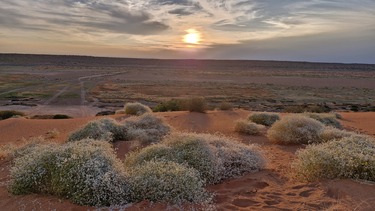
Our Wings over the Outback adventure begins!.
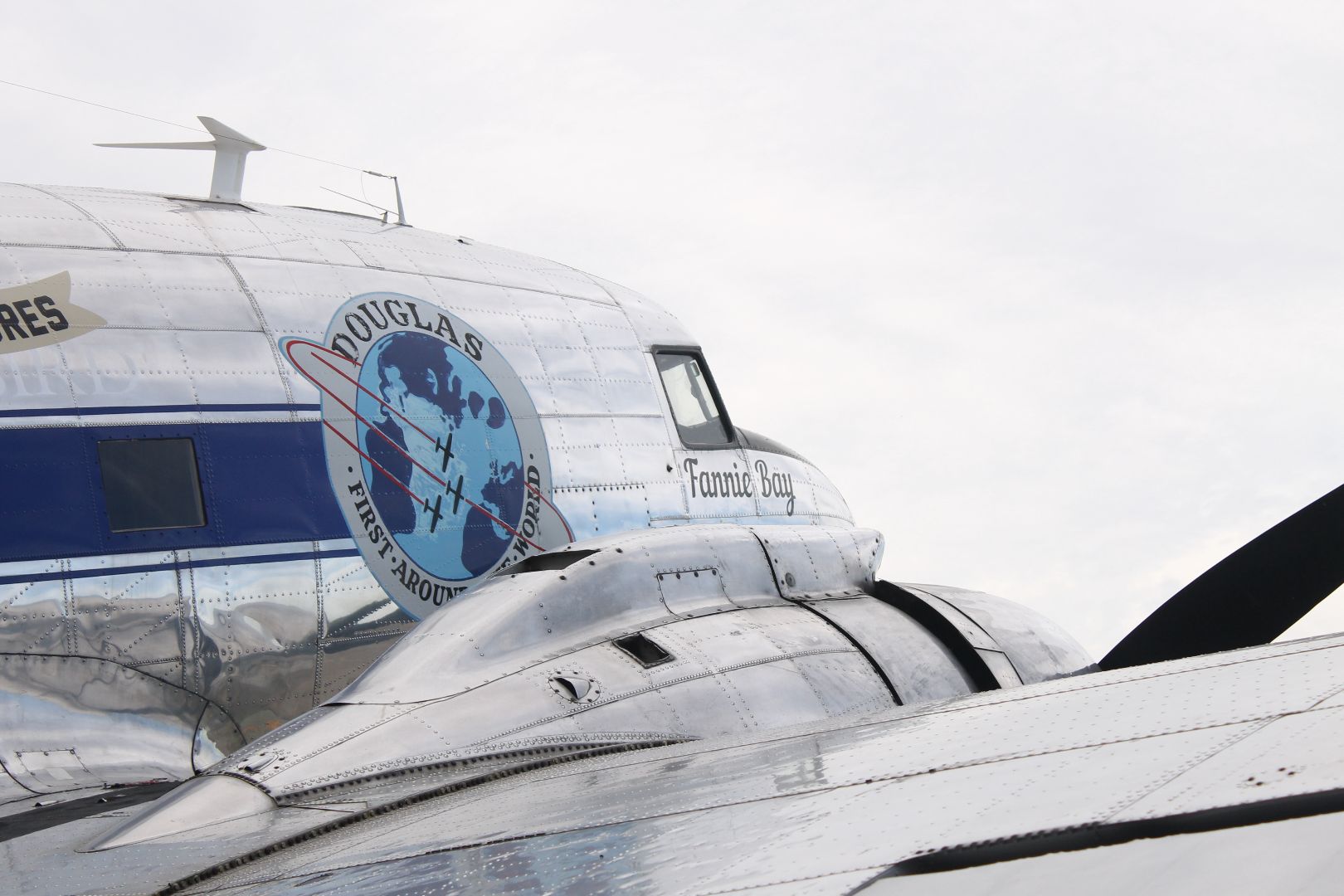
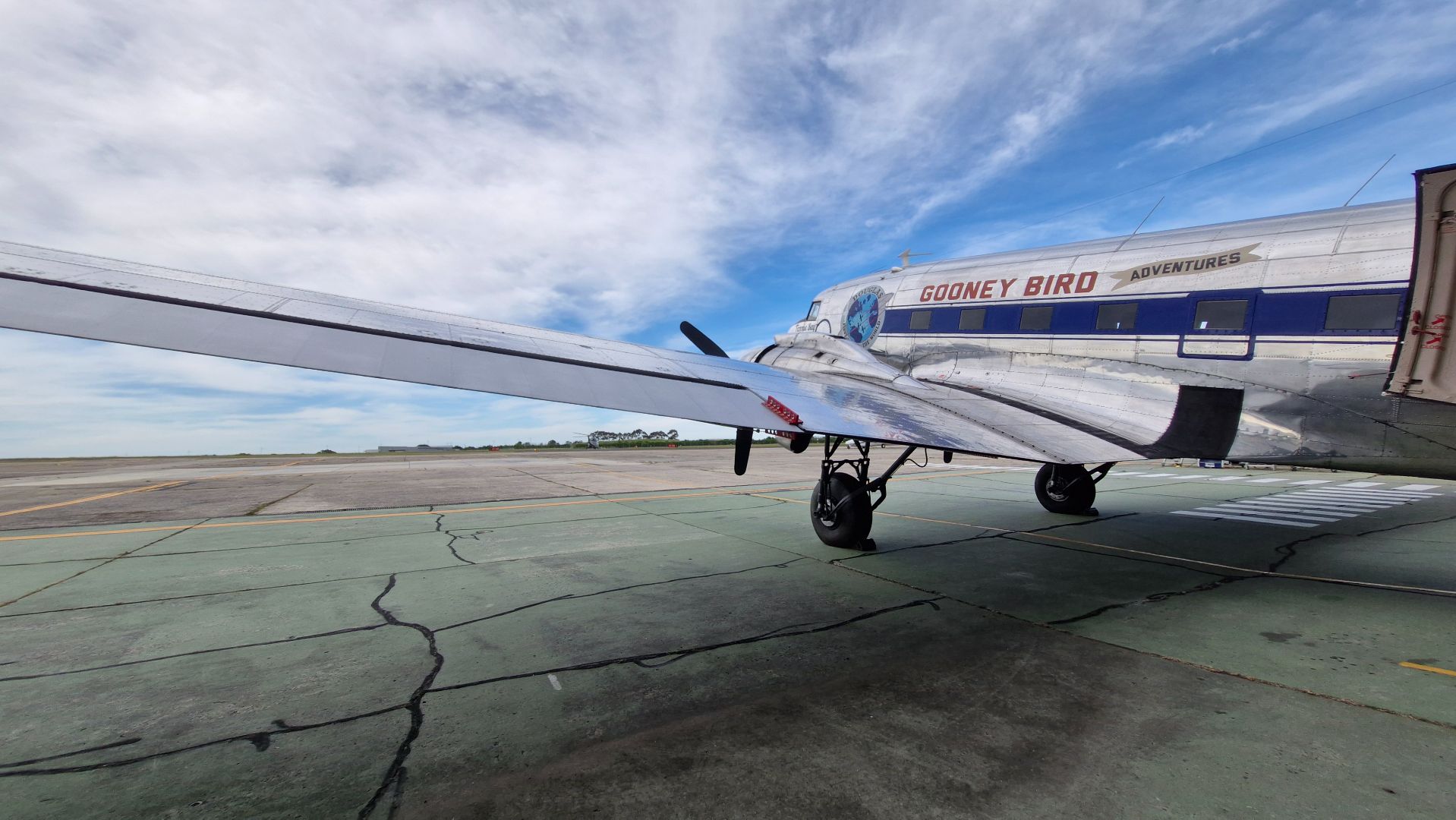
We arrived in Melbourne early afternoon, checked into Hyatt Place Essendon and walked over to see DC3 VH-OVM at Gooney Bird Adventures. She has been based here for 37 years, previously known as Melbourne's Gooney Bird and owned by Shortstop Jet Charters but is now part of the Gooney Bird Adventures fleet. The aircraft is in beautiful condition and bears the name ‘Fannie Bay’, a famous Darwin suburb where the 1919 great air race landed. She will spend time in Melbourne and Darwin seasonally. Gooney Bird Adventures are Darwin based and also have DC3 VH-X73 'Darwins Sweetheart' (ex Air Chathams ZK-AWP) based there offering WW2 Heritage and scenic flights.
We finished the evening with dinner together and looked forward to our week ahead.
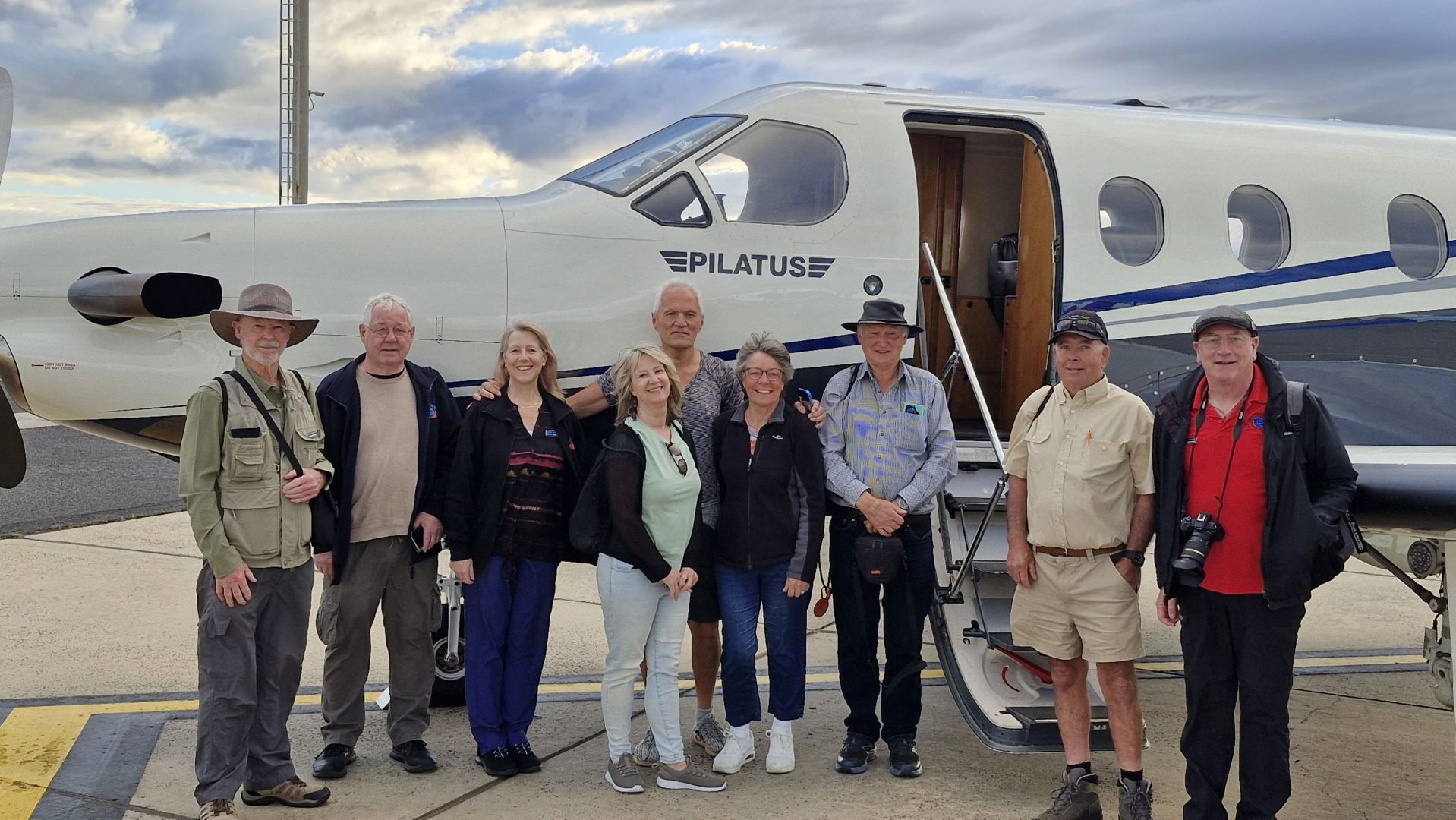
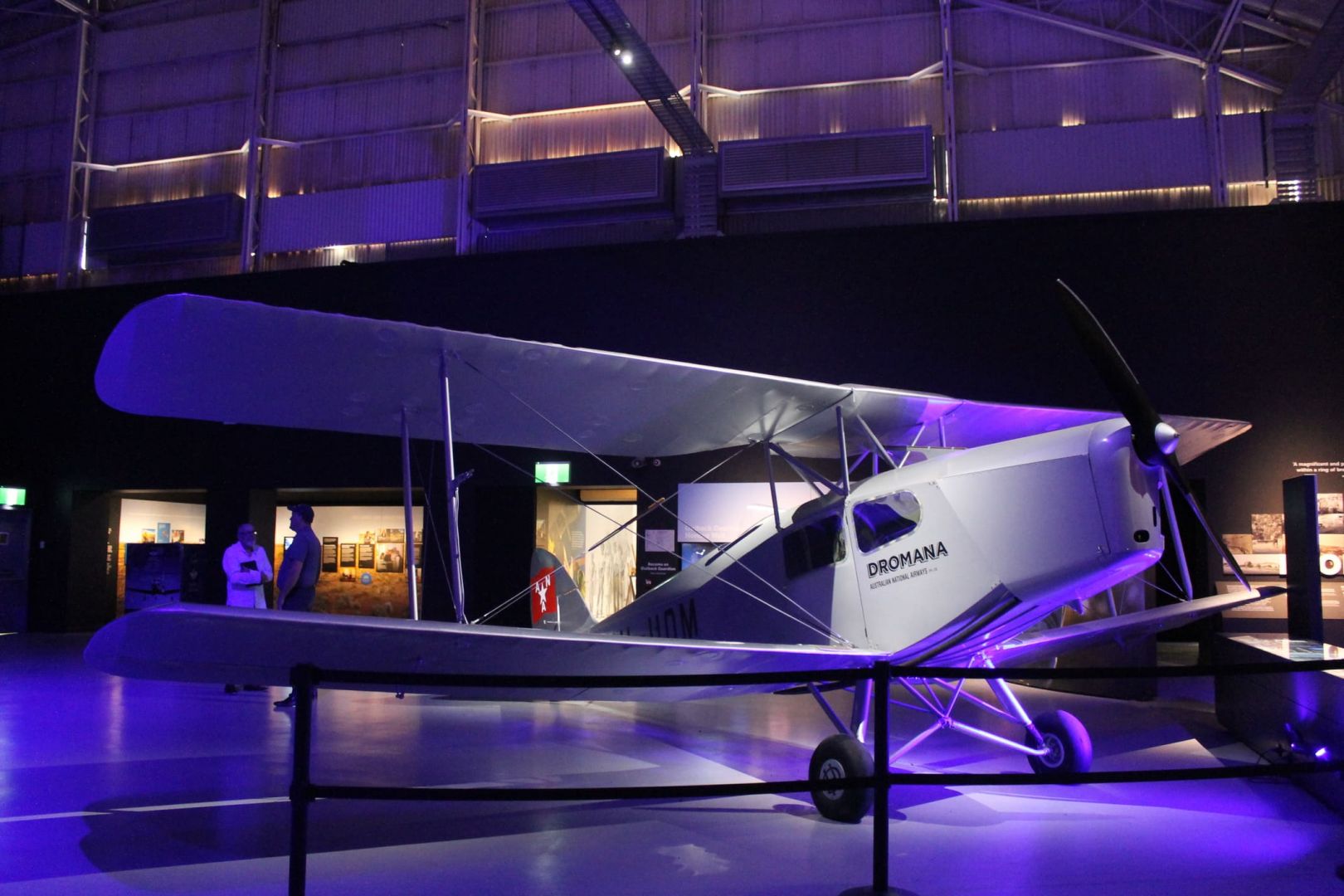
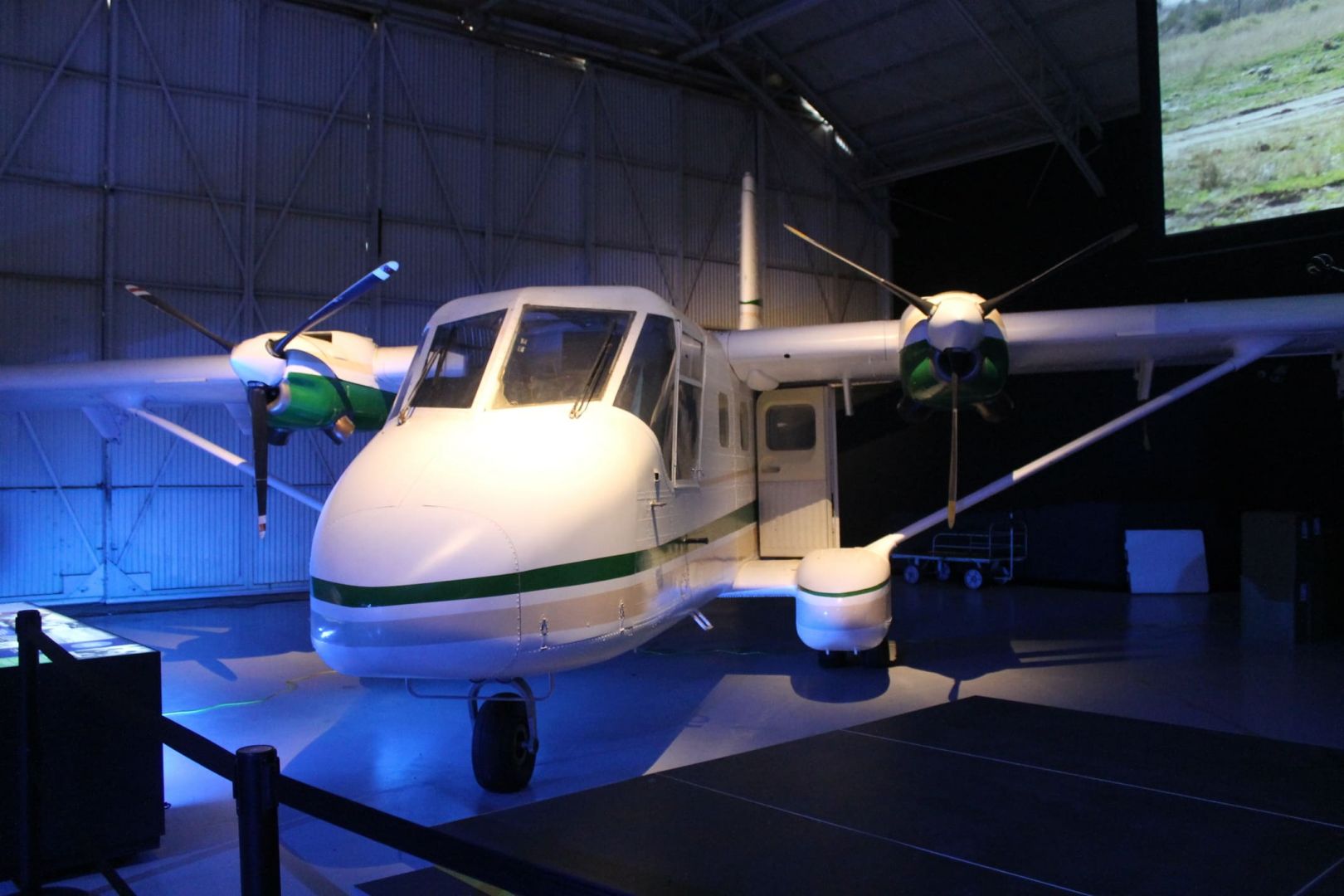
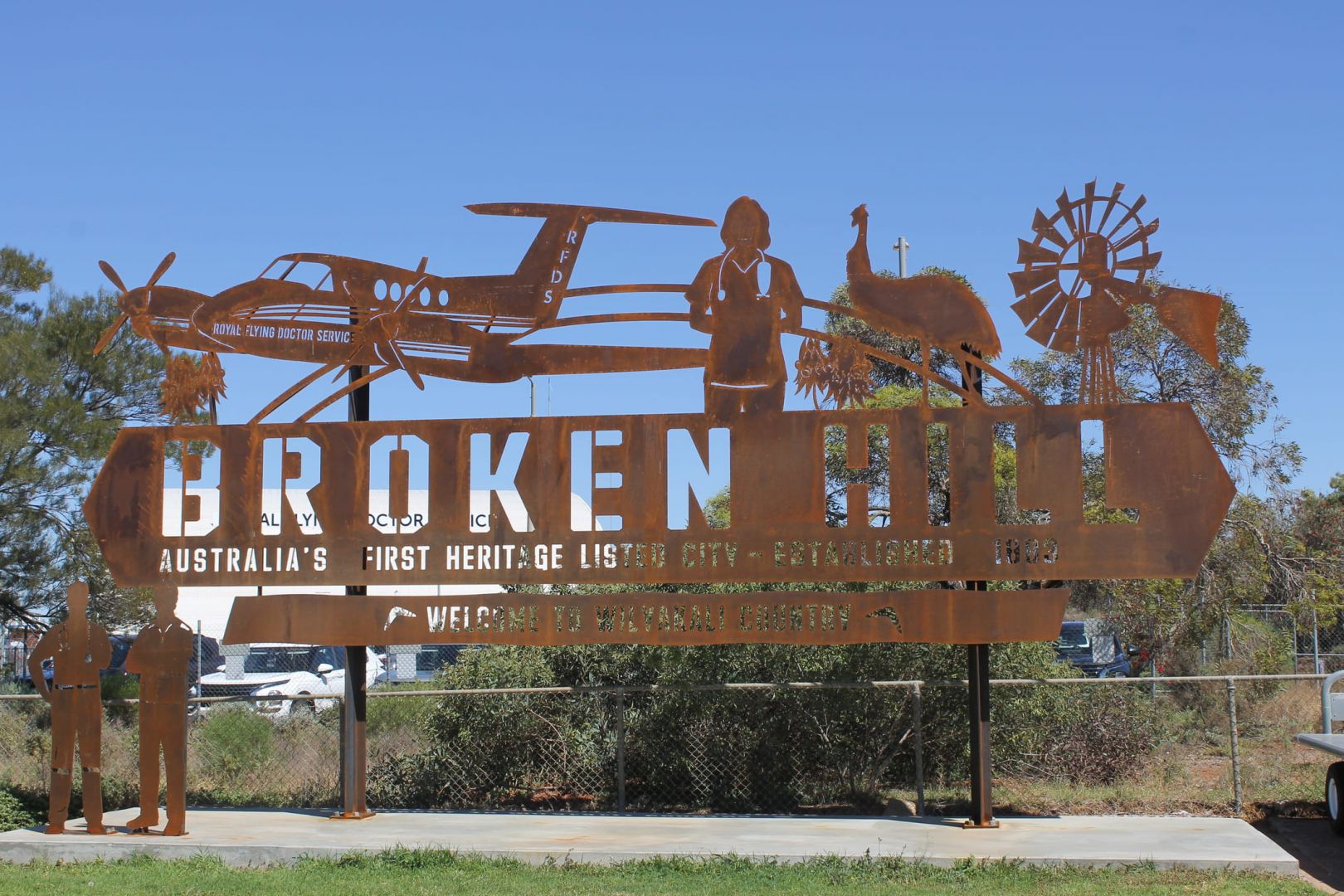
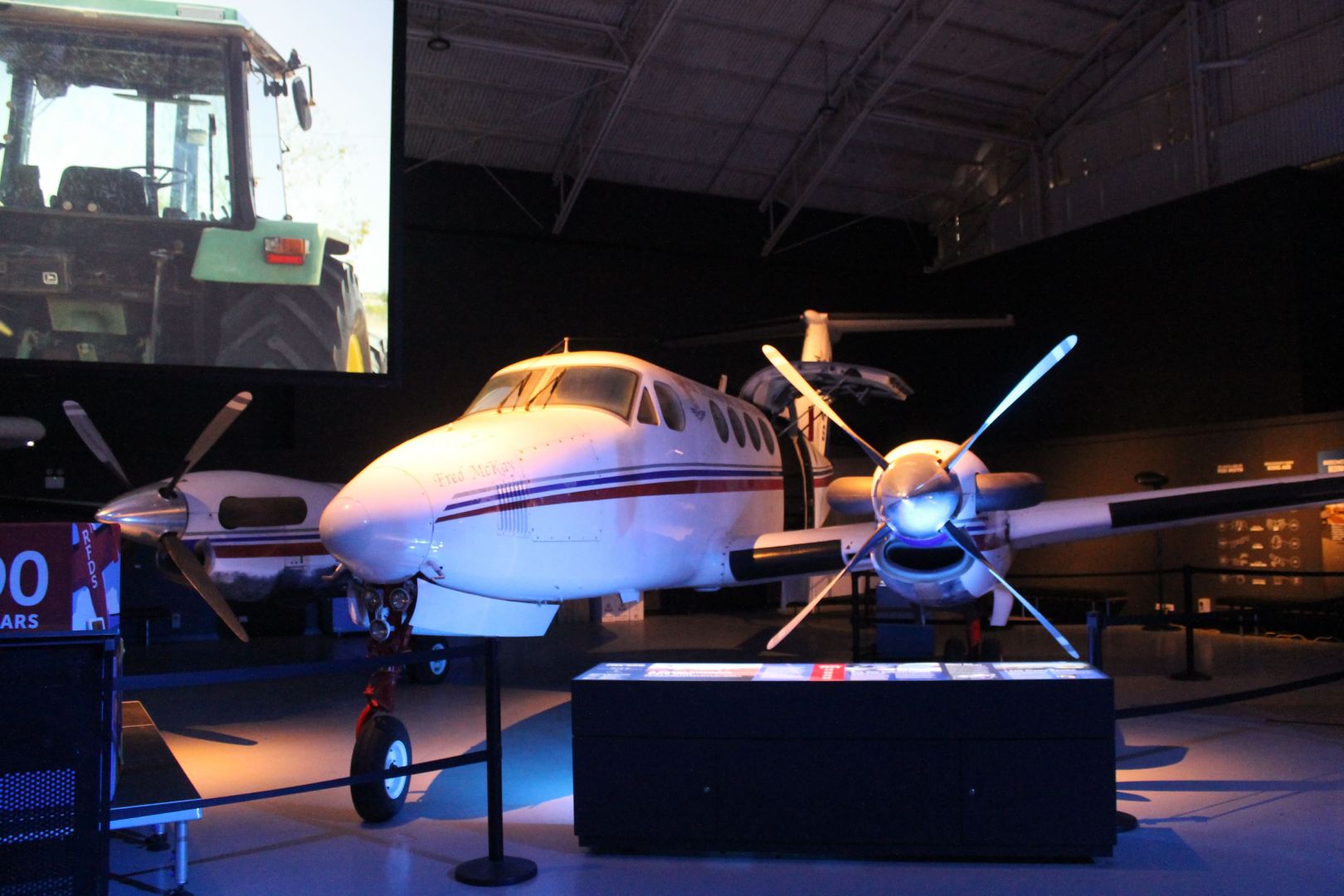
The following morning departed Essendon Fields aboard the Air Adventure Outback Jet, a Pilates PC 12. Our route North took us to the Royal Flying Doctor Station at Broken Hill. We were welcomed to the Aeroclub first for morning tea and then to the new Outback Heritage Visitor Centre which now tells the story with modern audiovisual displays and their four display aircraft. There is so much more to this organisation than you think. With 23 aerobases around the country, every day they retrieve 110 patients, deliver 85 clinics in the bush, help 175 people in teleclinics and transport 198 patients by road. They help someone every 1 and a half minutes. The Broken Hill Station alone covers an area of 640 thousand square kms.
The RFDS have a fleet of 185 road vehicles and 79 aircraft, mostly Beechcraft King Air with some Pilatus PC 12 and 24s, and Airbus EC145 helicopters.
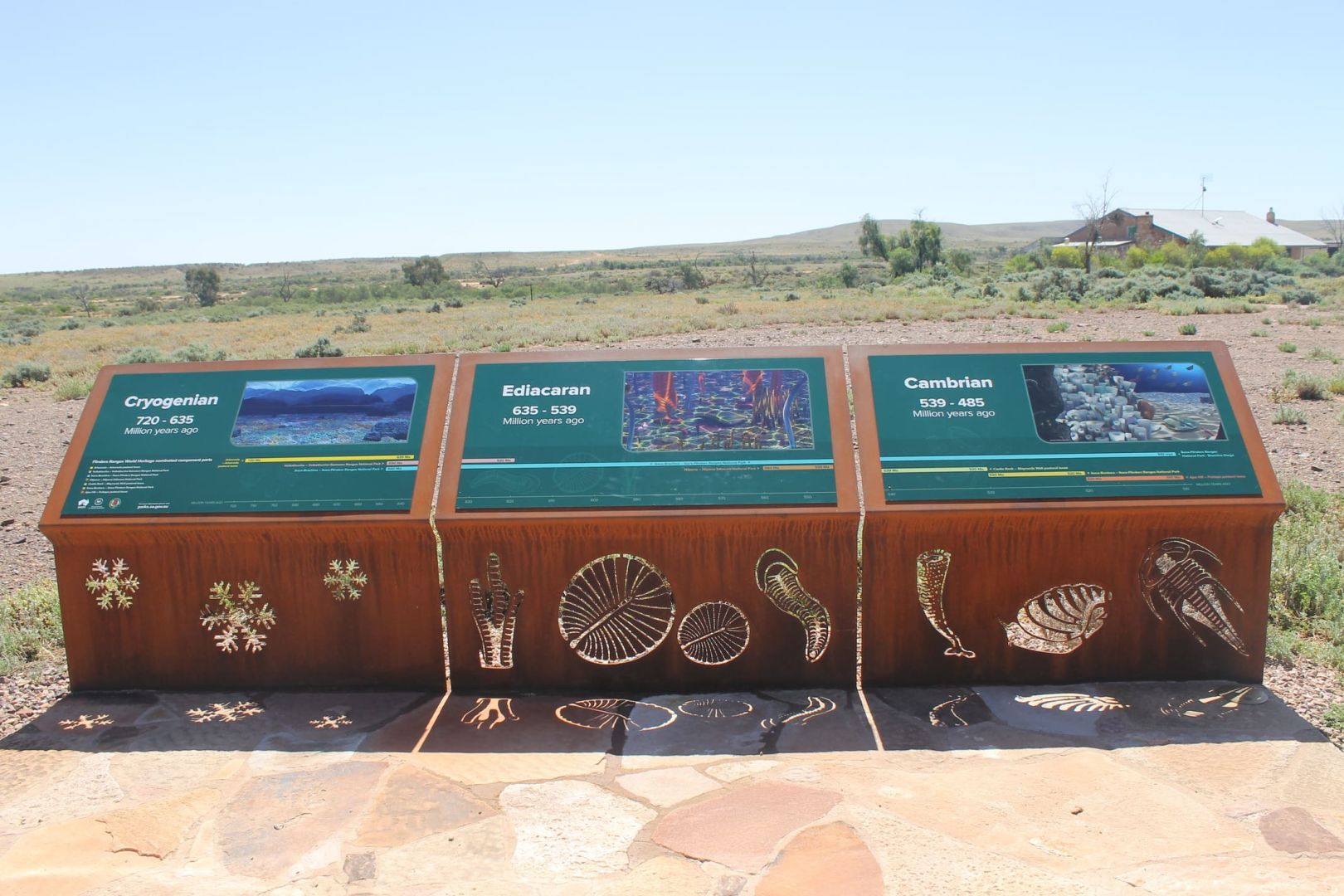
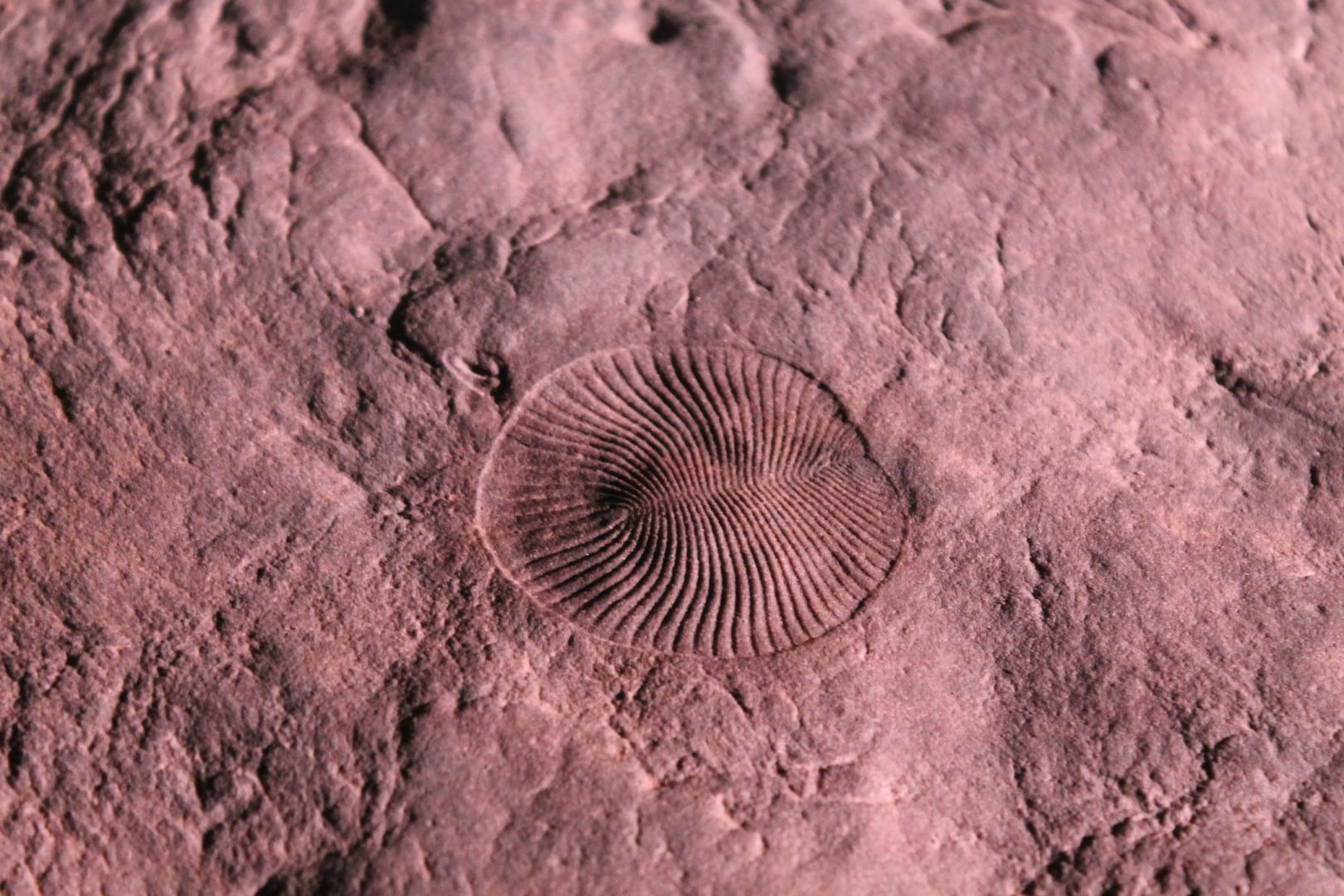
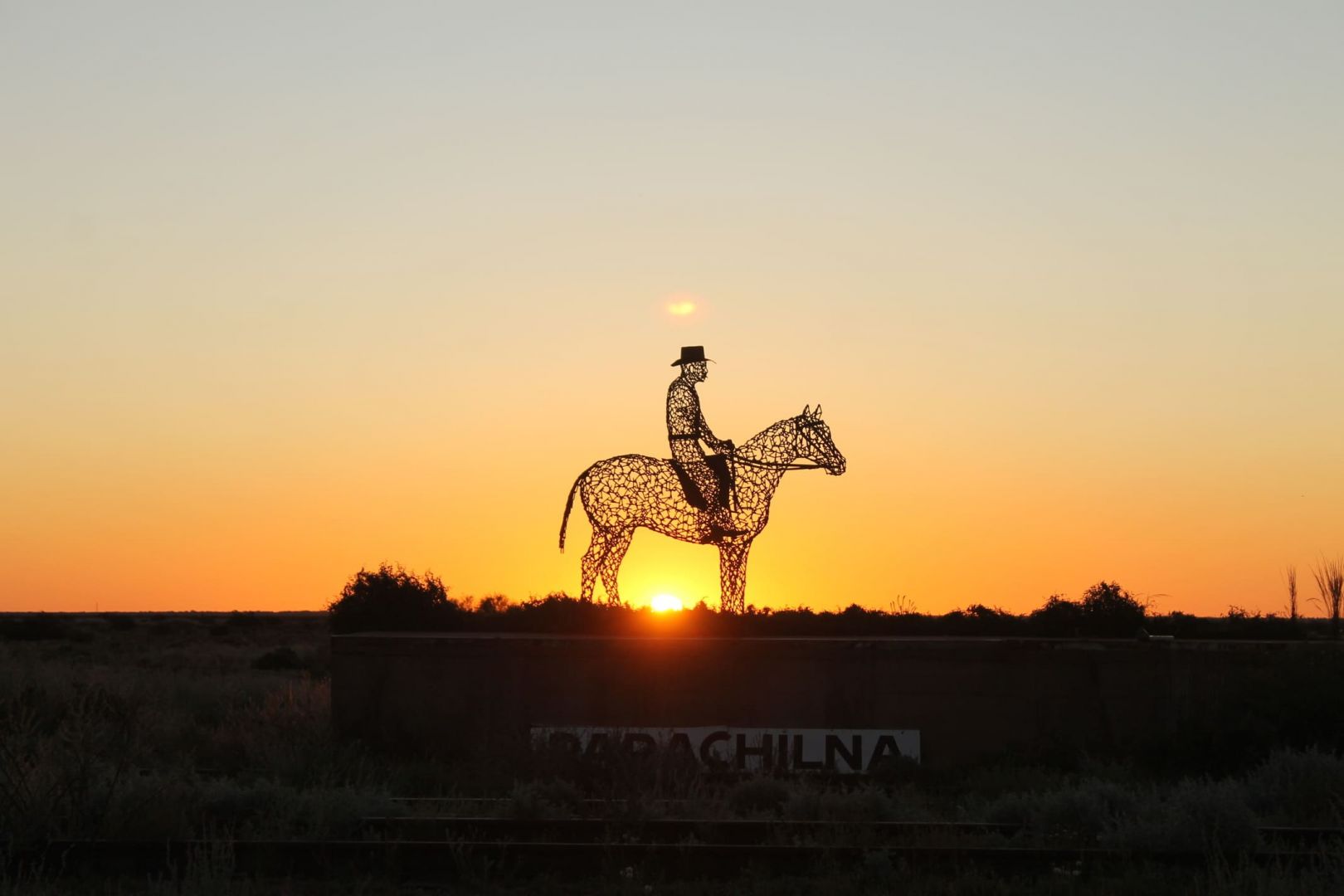
A spectacular afternoon flight took us past Lake Frome and over the Flinders Ranges, directly above Wilpena Pound to the iconic Prairie Hotel, Parachilna. After lunch we headed up to Nilpena Ediacara National Park, one of the world’s most significant fossil sites where we explored the 100 year old wool shed and then visited the new cutting edge visitor centre. The film show projected on a fossil bed lifted from the Ediacara Hills was incredible, telling the story of the first multicellular life on the planet by highlighting them in the fossil bed. The Ediacaran period of around 600 million years ago was named after these fossil fields only recently in 2004. A refreshment stop at the The Victoria Hotel in Beltana for ice creams or a cold beer was welcome and we had a look at the old railway station house before returning to pre dinner Sundowners and nibbles, while we reflected on our journey through time.
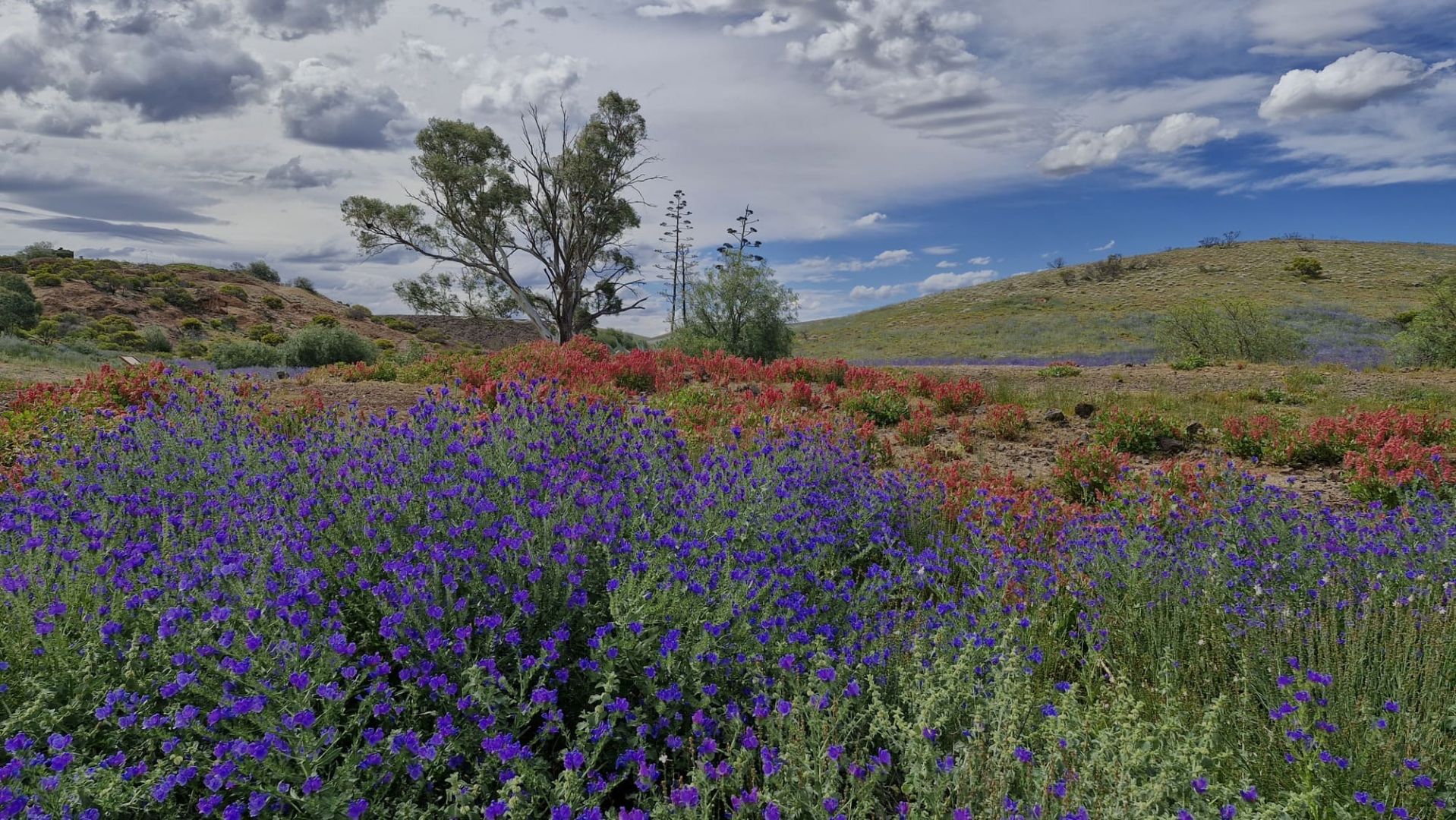
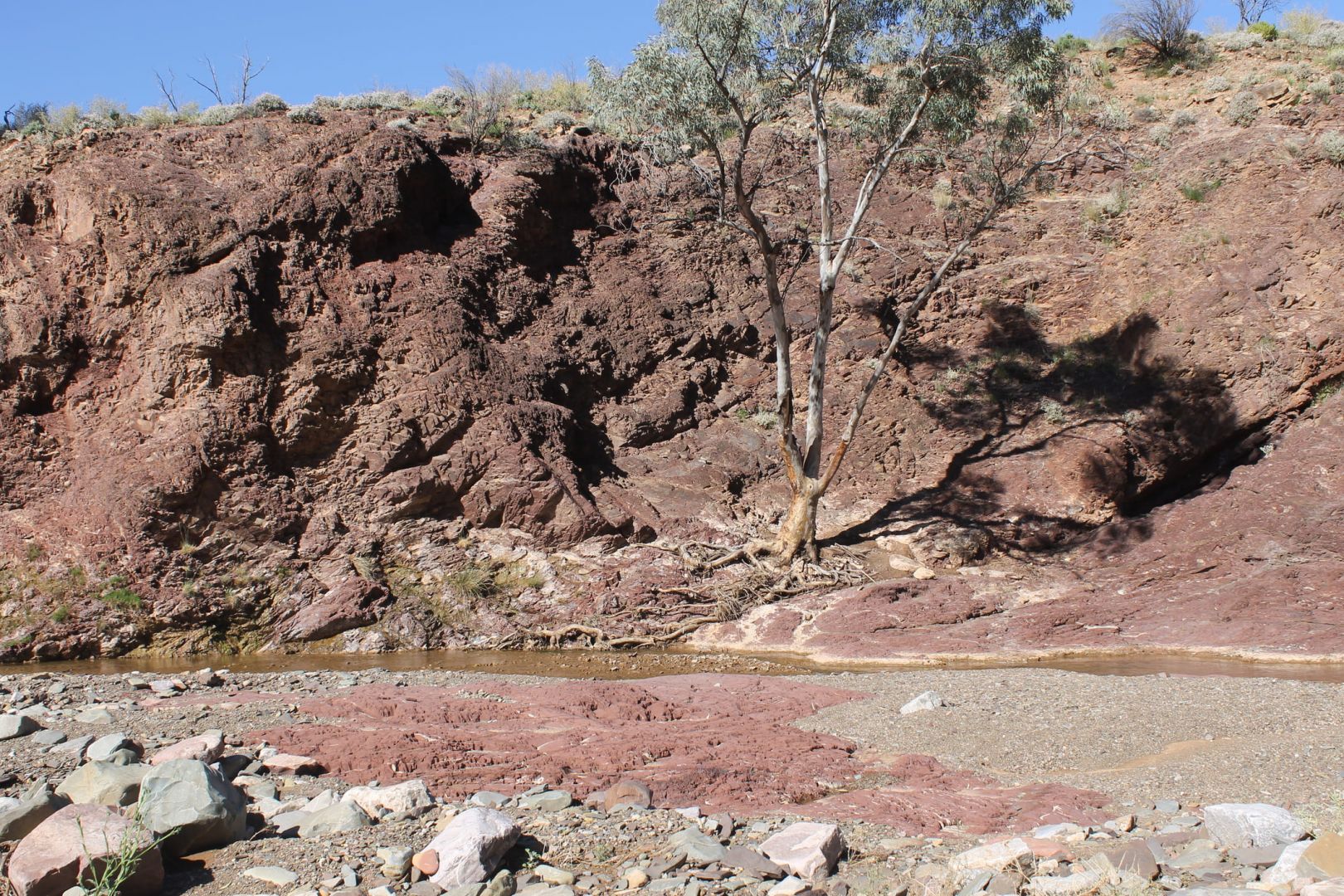
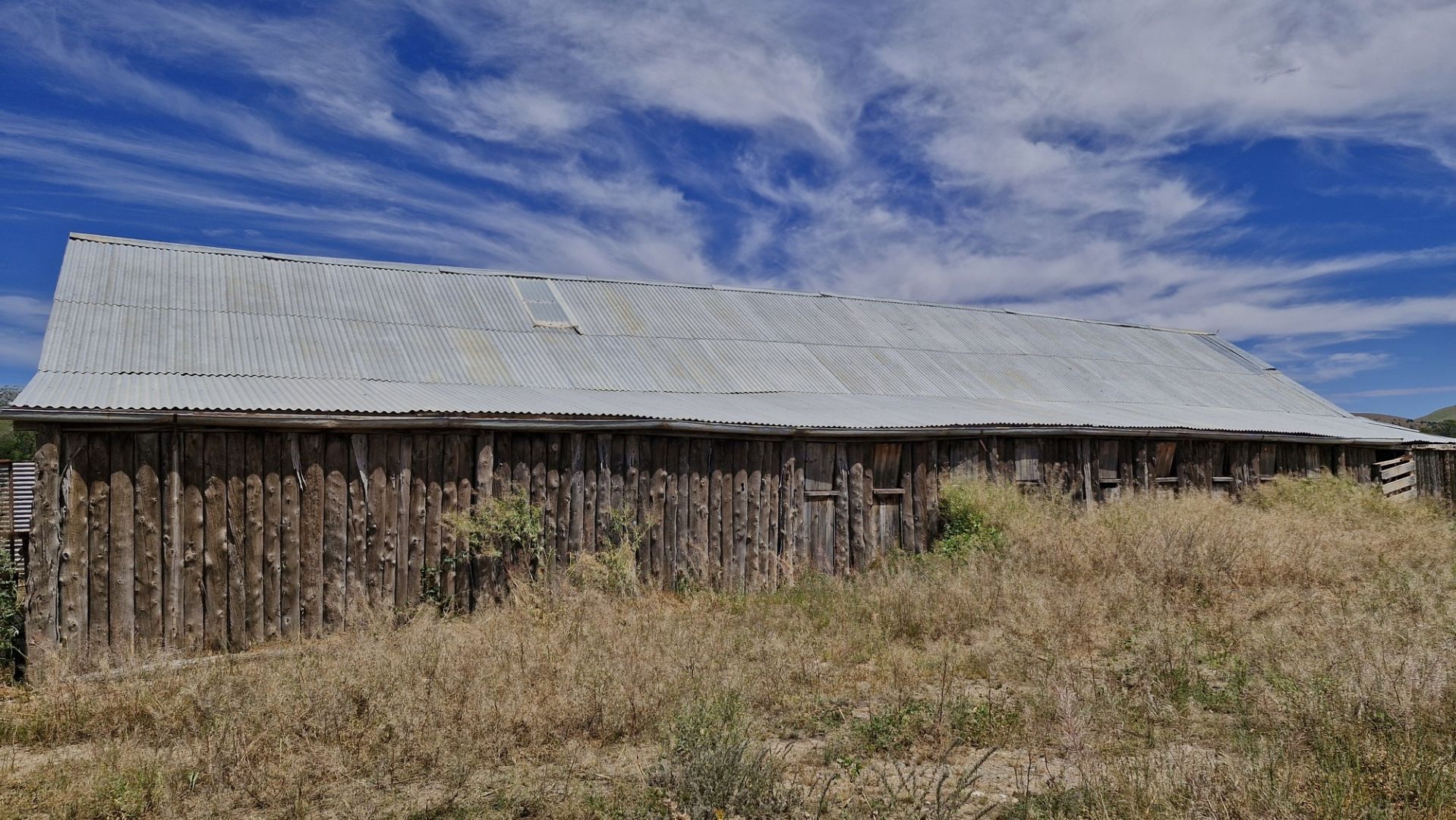
The next day had us off into the Flinders Ranges, winding through the dramatic Parachilna Gorge. Four weeks ago there was substantial rain resulting in a lot of flooding and damage to the creeks. However the unusual rainfall had created fields of colour which were quite unexpected. Our 4x4 tour bus navigated well through this and we headed up to Angorichina Station stopping on the way to explore the creeks. A lovely picnic lunch awaited us at the old Pug and Pine woodshed, another one over 100 years old.
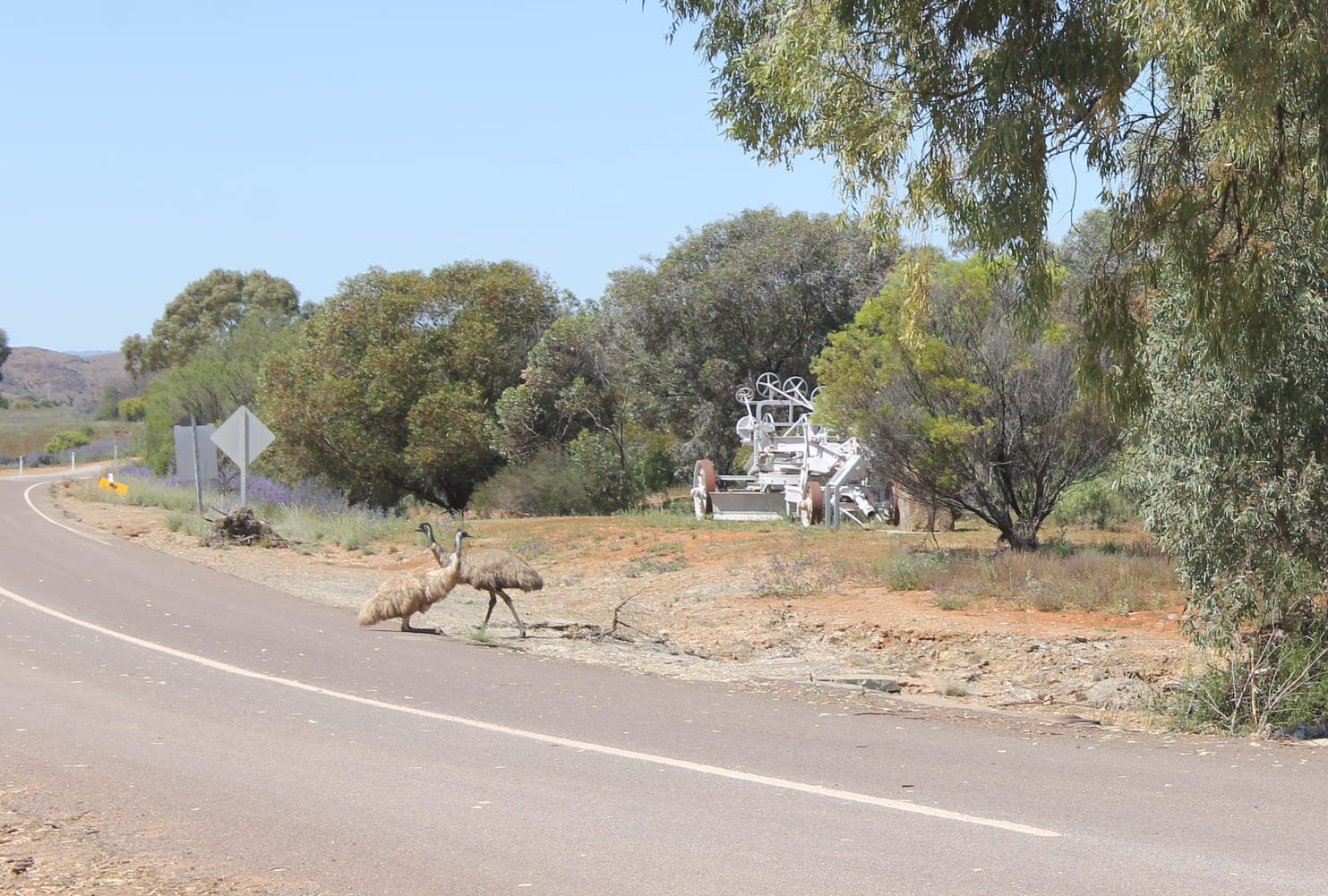
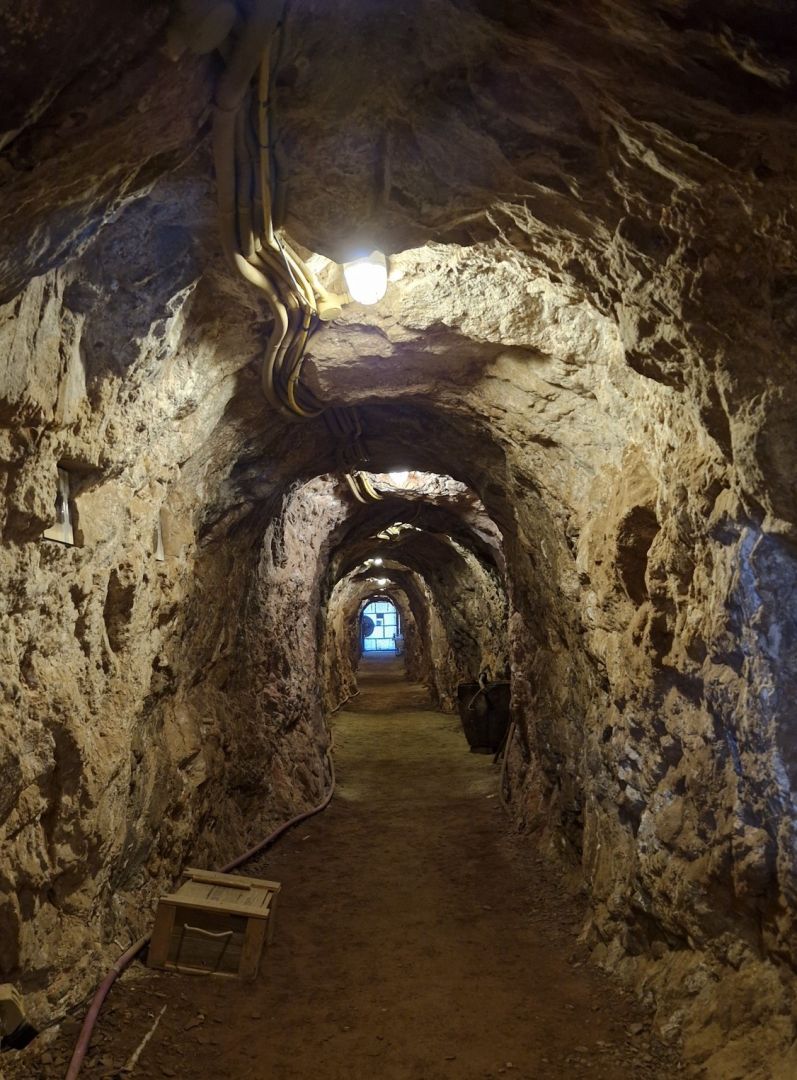
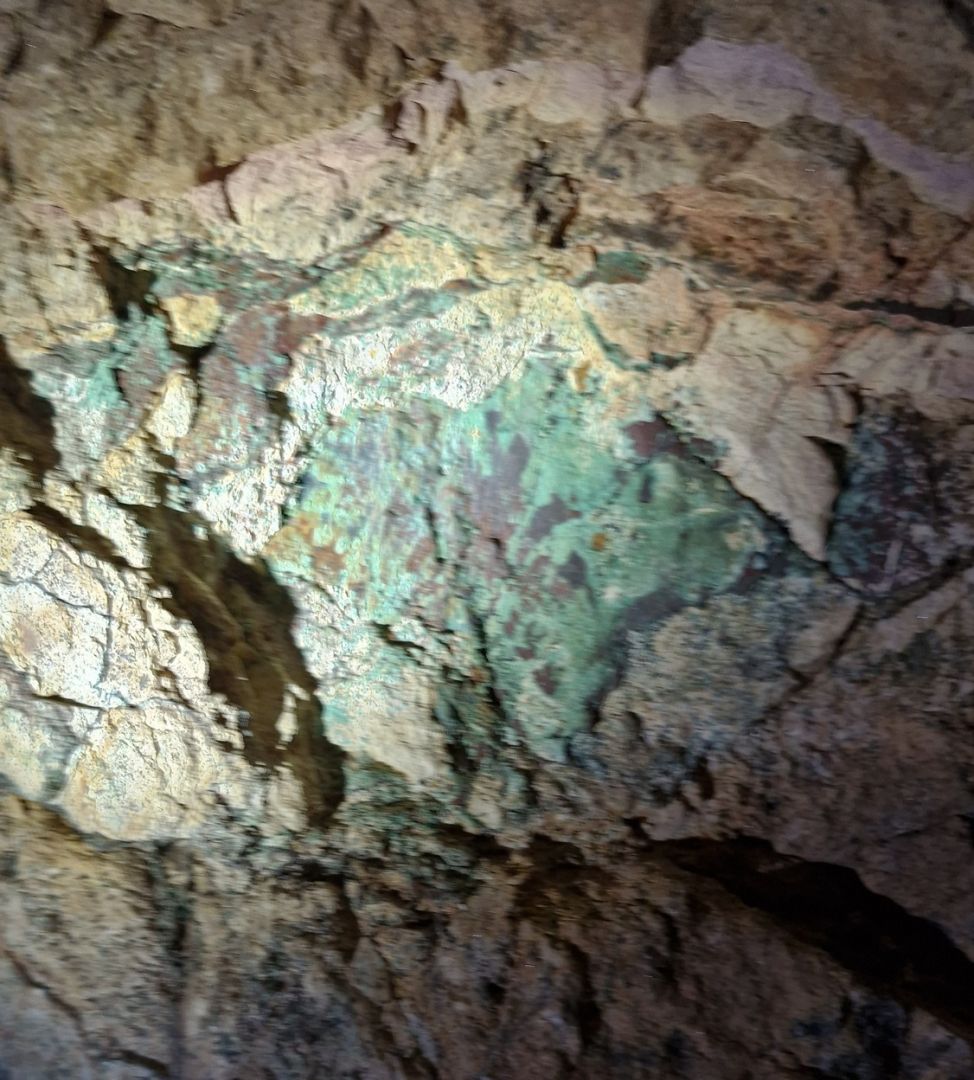
After lunch we had some free time in the local mining town of Blinman, wandering around with the emus, and then had the very interesting and entertaining mine tour. Our route home gave us a stop at Wadna for a cultural experience with billy tea, scones and quandong jam. We finished the day with another sunset at The Prairie Hotel and our gourmet bush tucker.
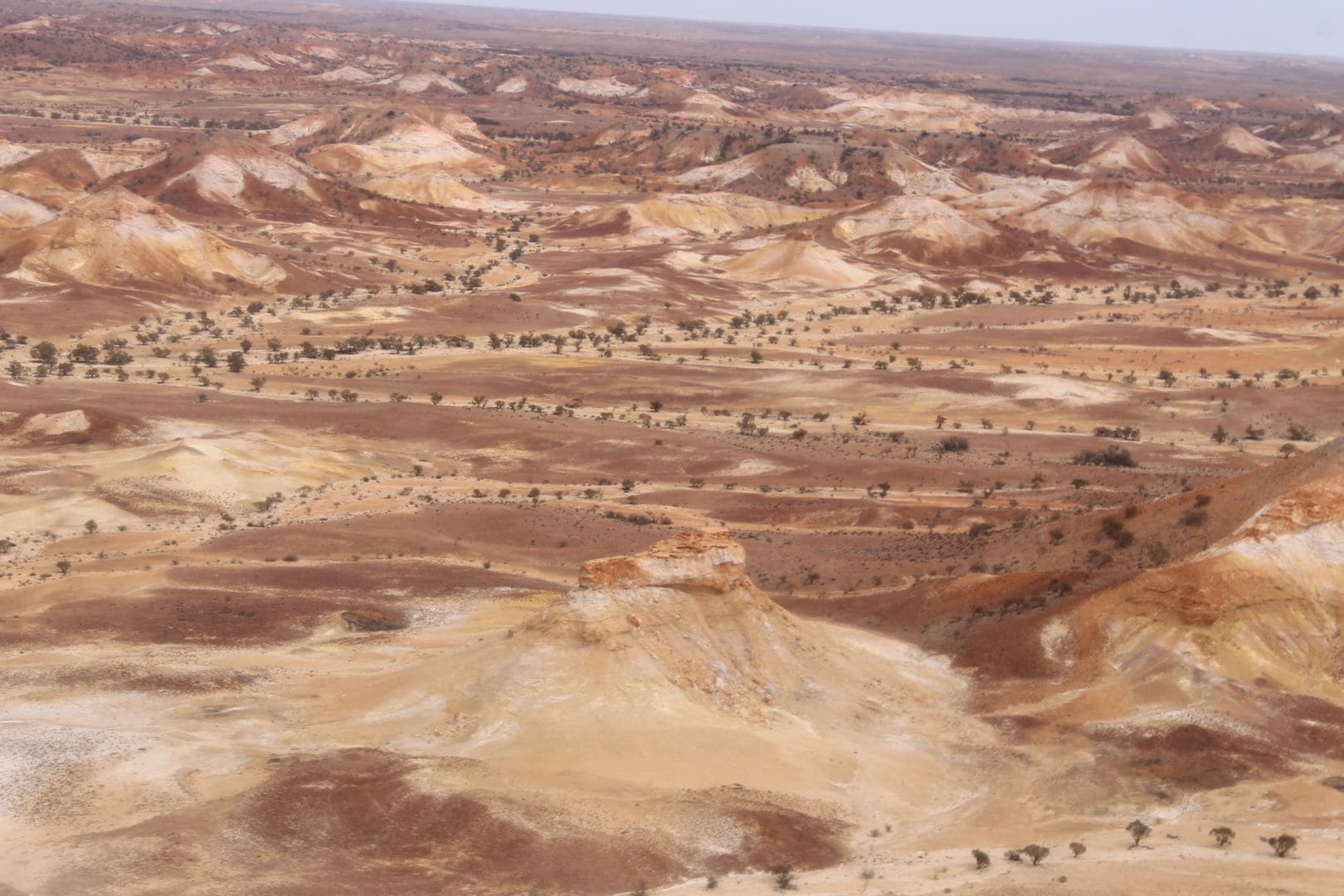
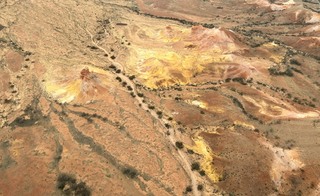
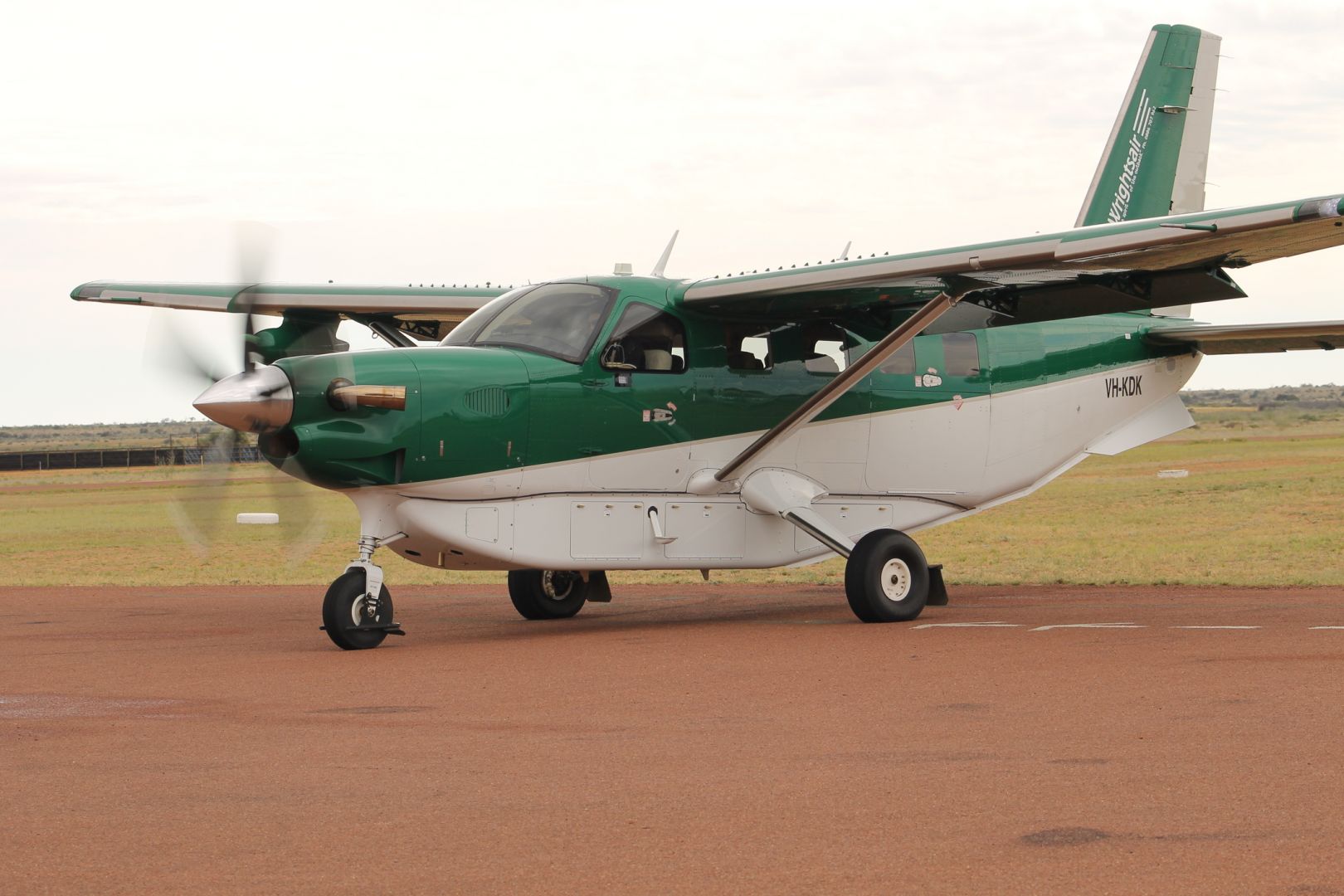
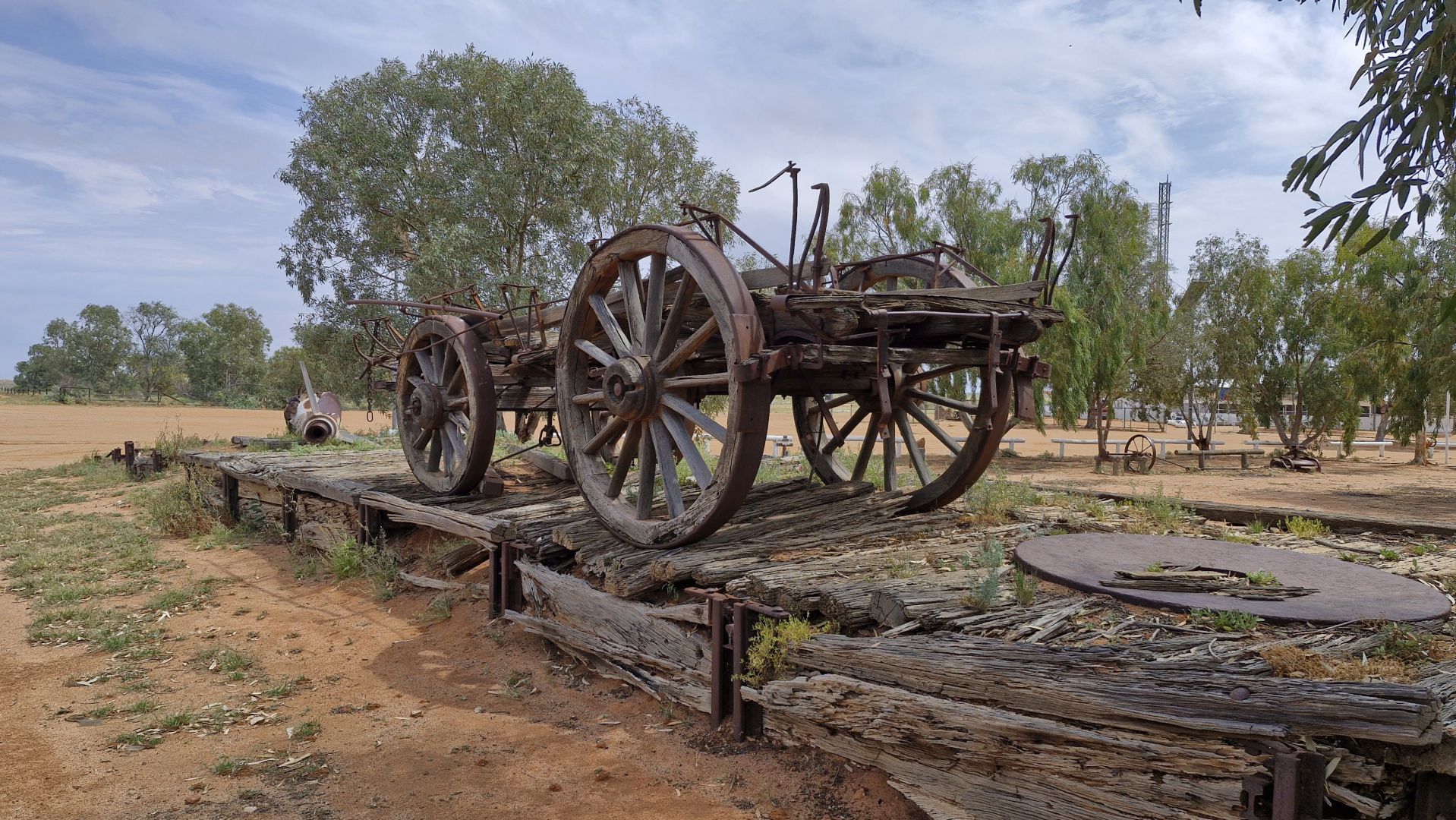
Our destination this morning was the tiny outback post of William Creek, population 10, home of Wrights Air ‘Spirit of the Outback’. William Creek is surrounded by Anna Creek Station, the largest cattle station in the world at around six million acres. We boarded our Kodiak and took off for a flight over the Painted Hills, an area of roughly 20 km square where rocky outcrops suddenly emerge from a flat dessert landscape, the reds, yellows and whites giving colour to this lunar landscape not accessible by road. Back on the ground we had a tour of the site which revealed some interesting hardware, rail relics from the old Ghan days and some indicators of William Creek’s proximity to Woomera, the land-based missile and rocket testing range. We heard all about Wrights Air operations which focus on scenic flights over the Painted Hills and Lake Eyre before heading off to Birdsville.
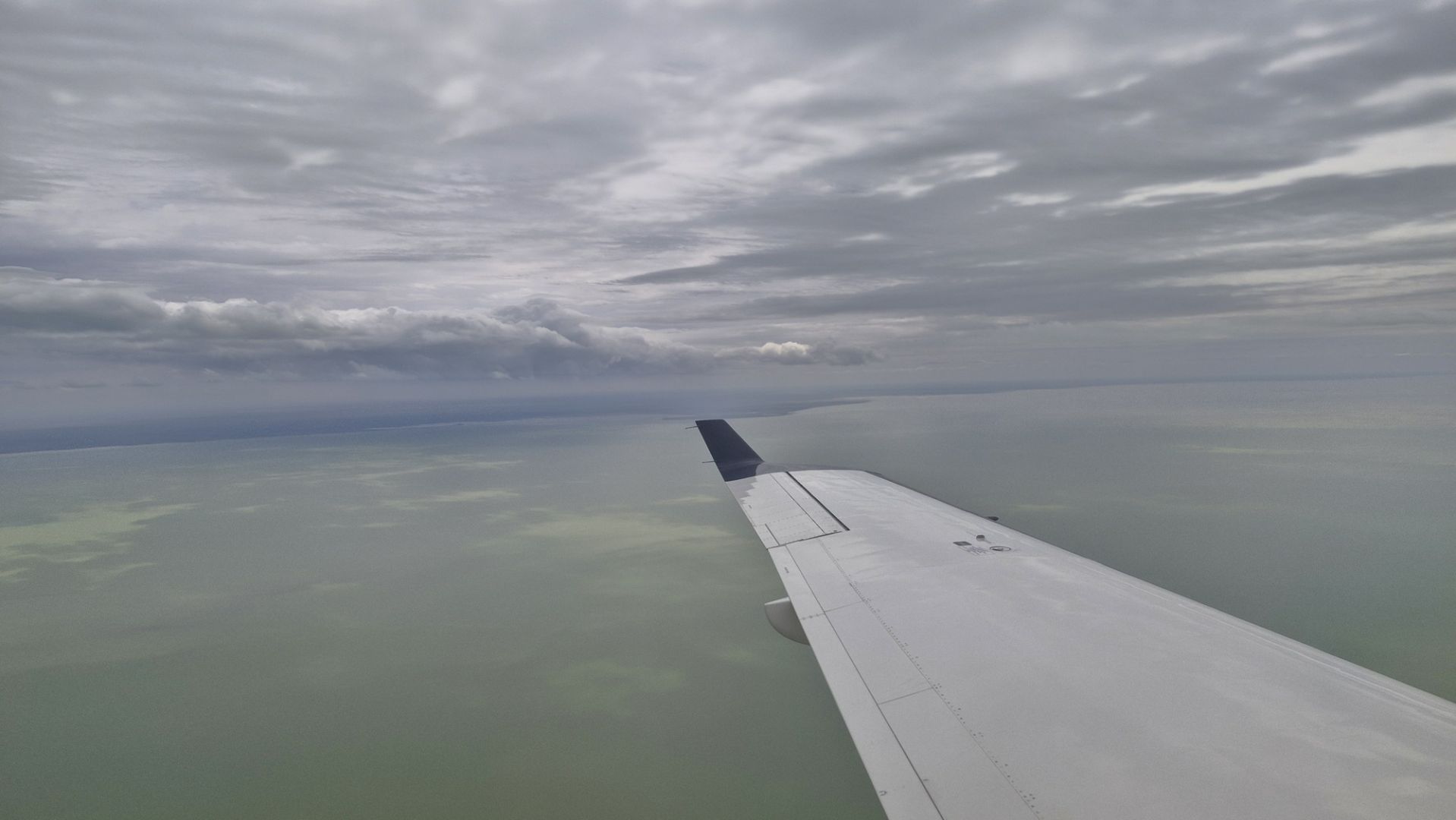
Our flight over Kati Thanda Lake Eyre was beautiful, staying low over Belt Bay before taking in the vastness of the lake from way above.. The lake fills with rain water from thousands of kms away, filling waterholes on the way and heading into the Eyre basin which contains the lowest natural point in Australia at 15m below sea level. Many years the waters don’t even reach the basin and the lake bed remains dry. Those years make it suitable for land speed record attempts such as Donald Campbell’s with the Bluebird-Proteus CN7. It is rare for a 100% lake fill and has only happened three times in the last 160 years, the two most recent being 1950 and 1974. This year is an approx. 80% fill and made good viewing as we flew over to Birdsville.
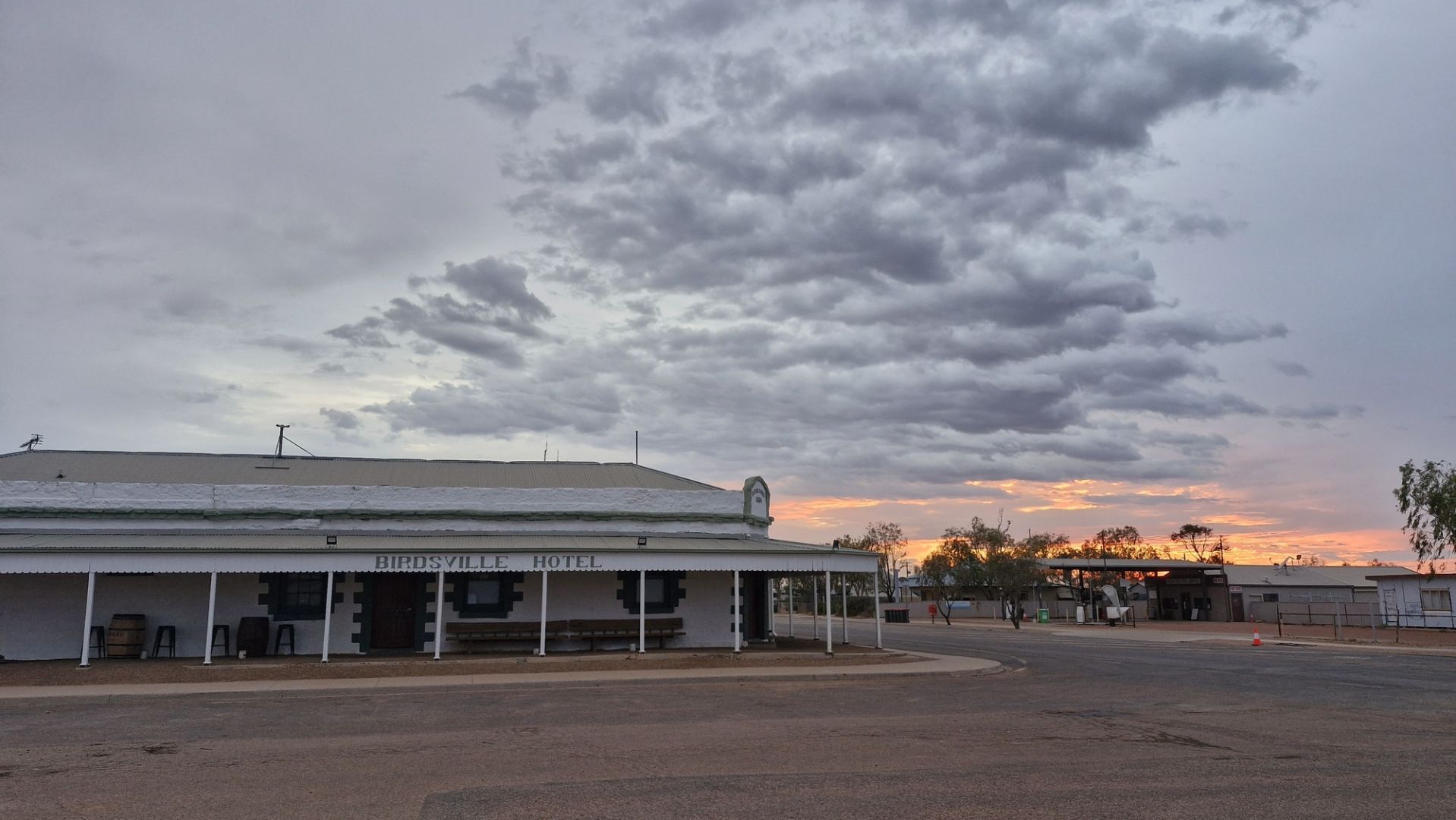
We checked in for our next stay, another iconic outback hotel - The Birdsville - and were later picked up for a town tour and Big Red Dune sunset experience. Town is small, a population of approximately 110, but hosts some famous large events like the Birdsville Races and the Big Red Bash music festival, the latter being held out at the dunes on the edge of the Simpson desert.
The town tour highlighted the many differences between outback and city life. The RFDS aircraft was in as we landed, collecting someone for treatment elsewhere, a reminder of the necessity of this service.
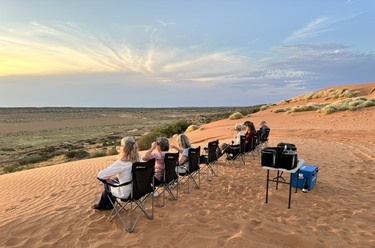
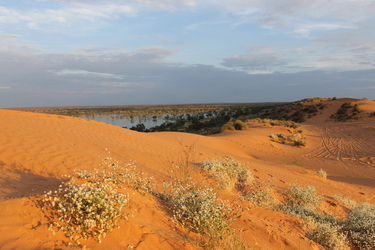
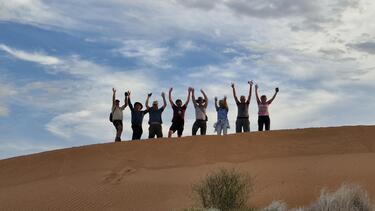
We travelled with ease out to Big Red, the dunes here form the world’s largest static parallel sand dune desert with dunes ranging from 3m to Big Red at over 30m, and after switching the bus to 4WD, we made it up to our evening vantage point on the dune. Here again, unusual excess rain had caused flooding and the view one way was a water filled valley, the other way clear and dry. Such a lovely peaceful spot for a glass of bubbles and nibbles. We really didn’t want to leave.
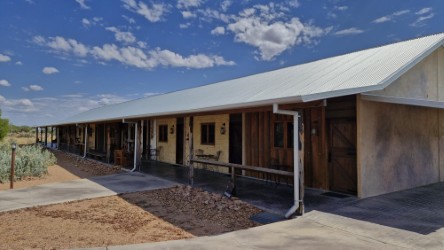
We said farewell to Birdsville and flew across to Longreach, landing on this famous airfield with a good view of the Qantas Founders Museum, air park and original hangar, our visit for the next day. Just opposite, is the Stockmans Hall of Fame, and after a short walk we arrived for our morning explorations learning about the pioneering men and women that built Australia’s pastoral and outback industries. We checked in to our Stable Block rooms at Saltbush Retreat, decorated in “pioneer” style, rich with wood and leather. After some chill time we were collected for a town tour of Longreach, a larger community of around 3000, and entertained by our guide before returning for pre dinner drinks on the verandah. What a great spot within walking distance of these two major attractions.
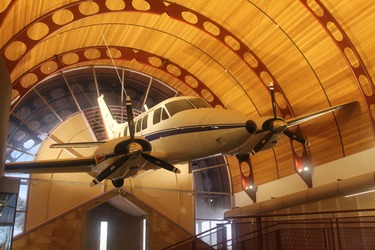
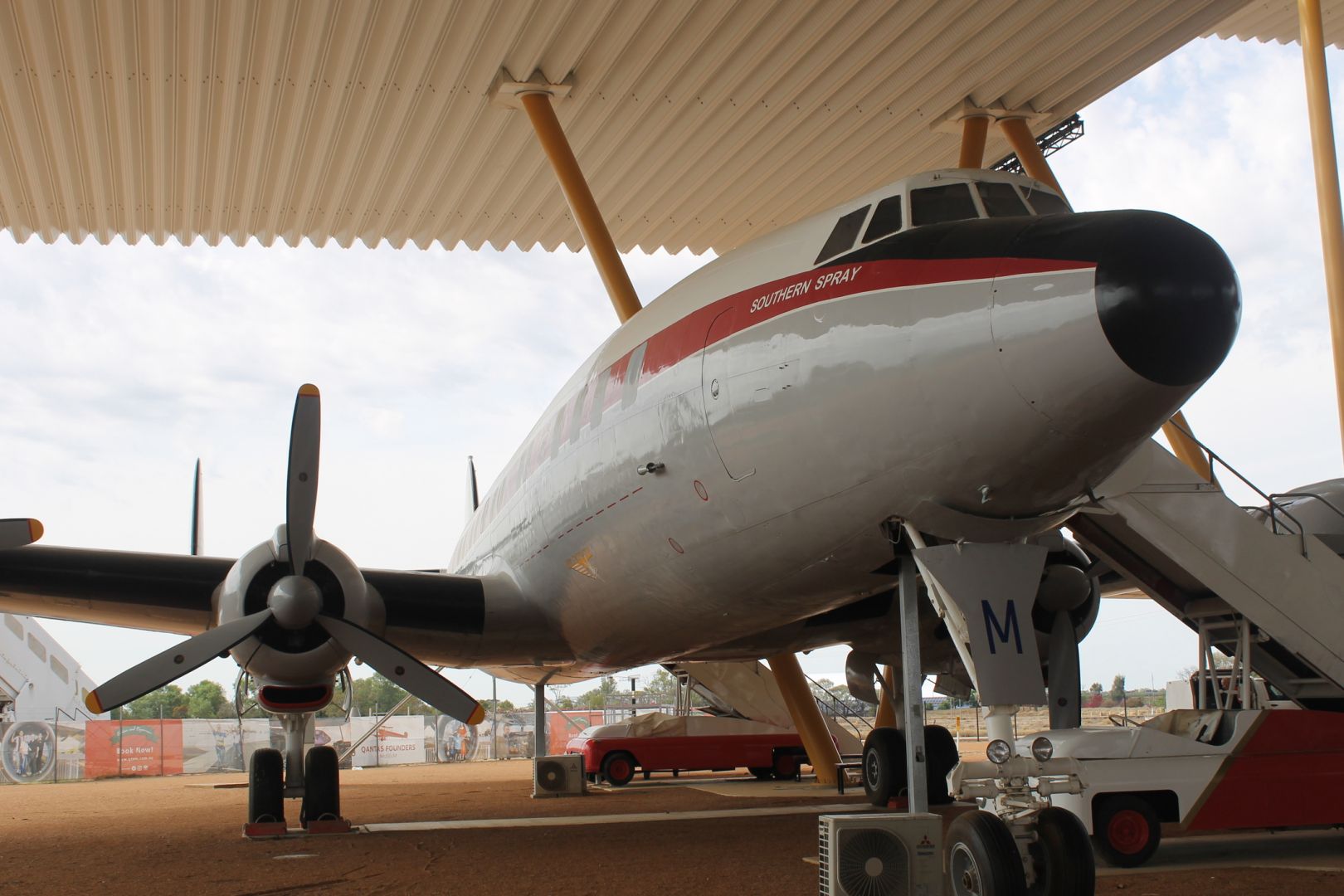
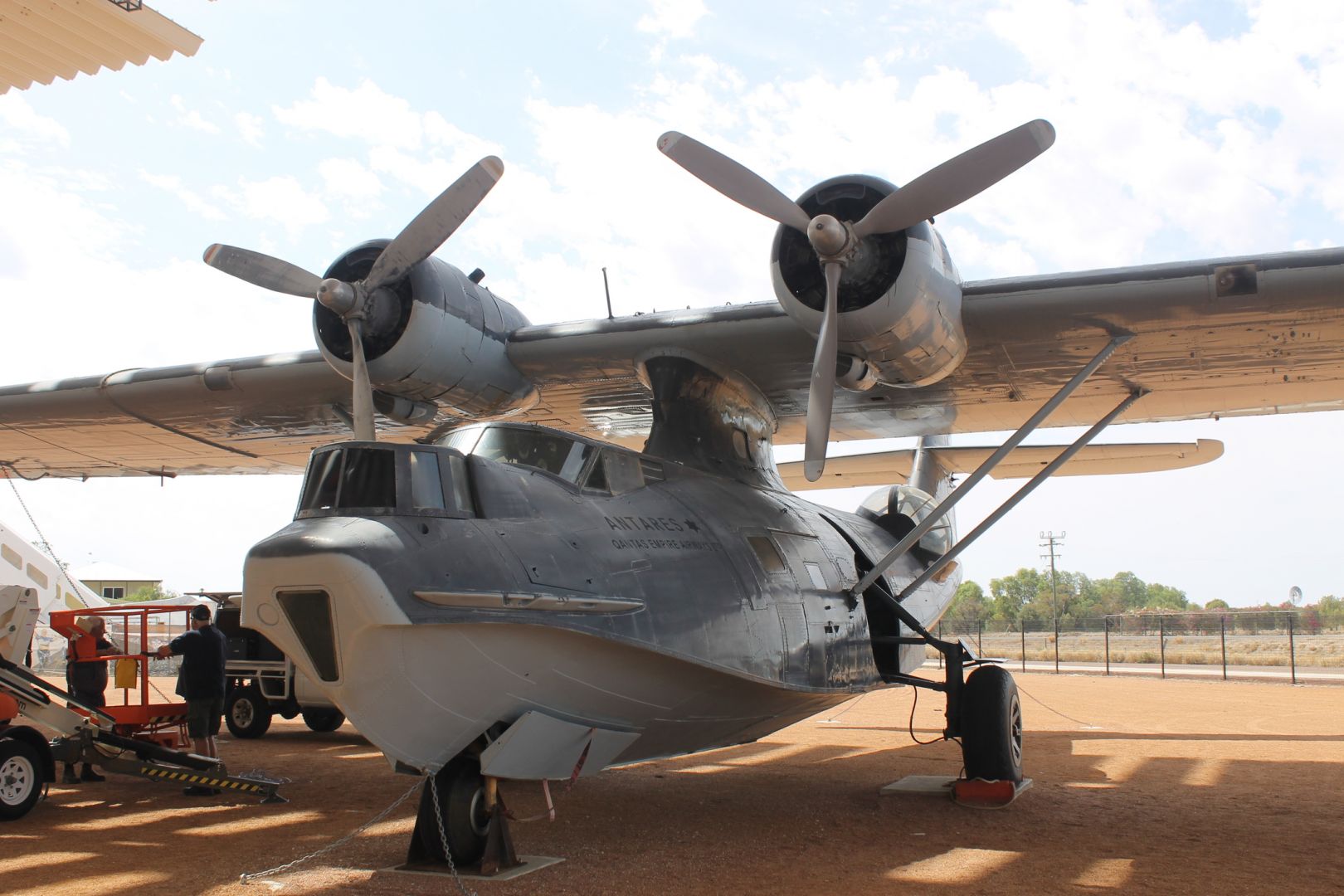
Our guide at Qantas Founders Museum kept us enthralled with a very detailed tour of the key aircraft here. Unbelievable knowledge! The Super Constellation started life as a cargo plane hence the painted windows and has been painted inside to show the specs creatively. The 707 is fitted out superbly with rock star luxury, so fast in its time that it introduced people to jet lag. The DC3 was acquired by Qantas Empire Airways in 1948 and has been repainted in the original QEA livery.
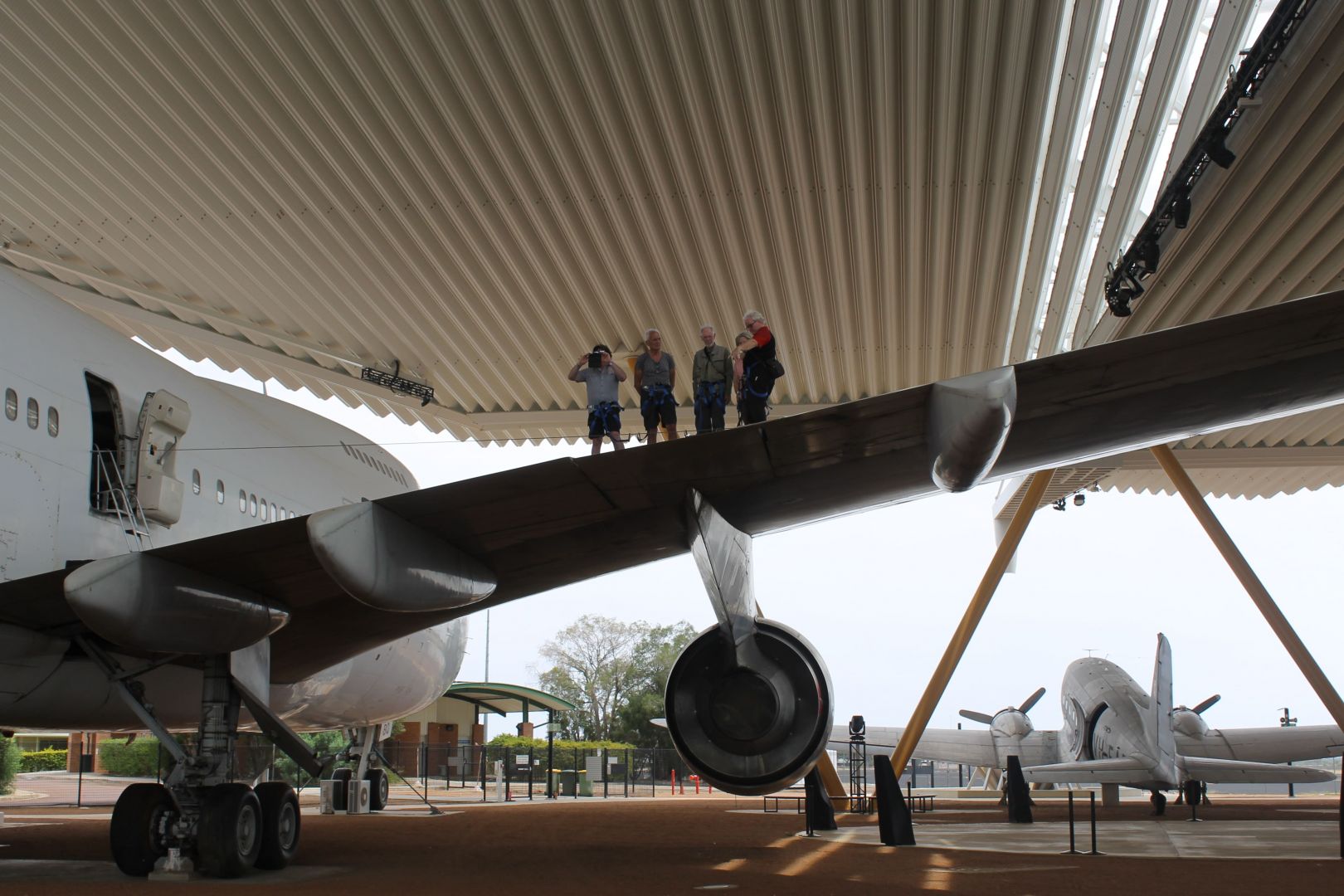
We looked through the museum’s centrepiece, 747 “City of Bunbury” before heading out on the wing for a different, slightly precarious, perspective. This is the only surviving 747-200 with Rolls Royce engines and has a replica spare engine pod mounted to demonstrate the unique feature on this aircraft, the ability to transport an engine across the world if needed.
The original hangar is dwarfed next to the new 14 million dollar canopy over the larger aircraft and is a fantastic addition which made our visit much more comfortable than last time.
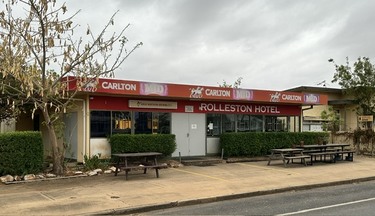
Leaving the heat of Longreach, we flew East to Rolleston to be met by the lovely Ross Smith and spent the afternoon sharing a hangar with Ross, his stories and his aircraft collection including the lovely Lockheed Electra Junior. We checked in and had dinner at the Rolleston Motel and breakfast was an absolute banquet, setting us up for another day of adventure.
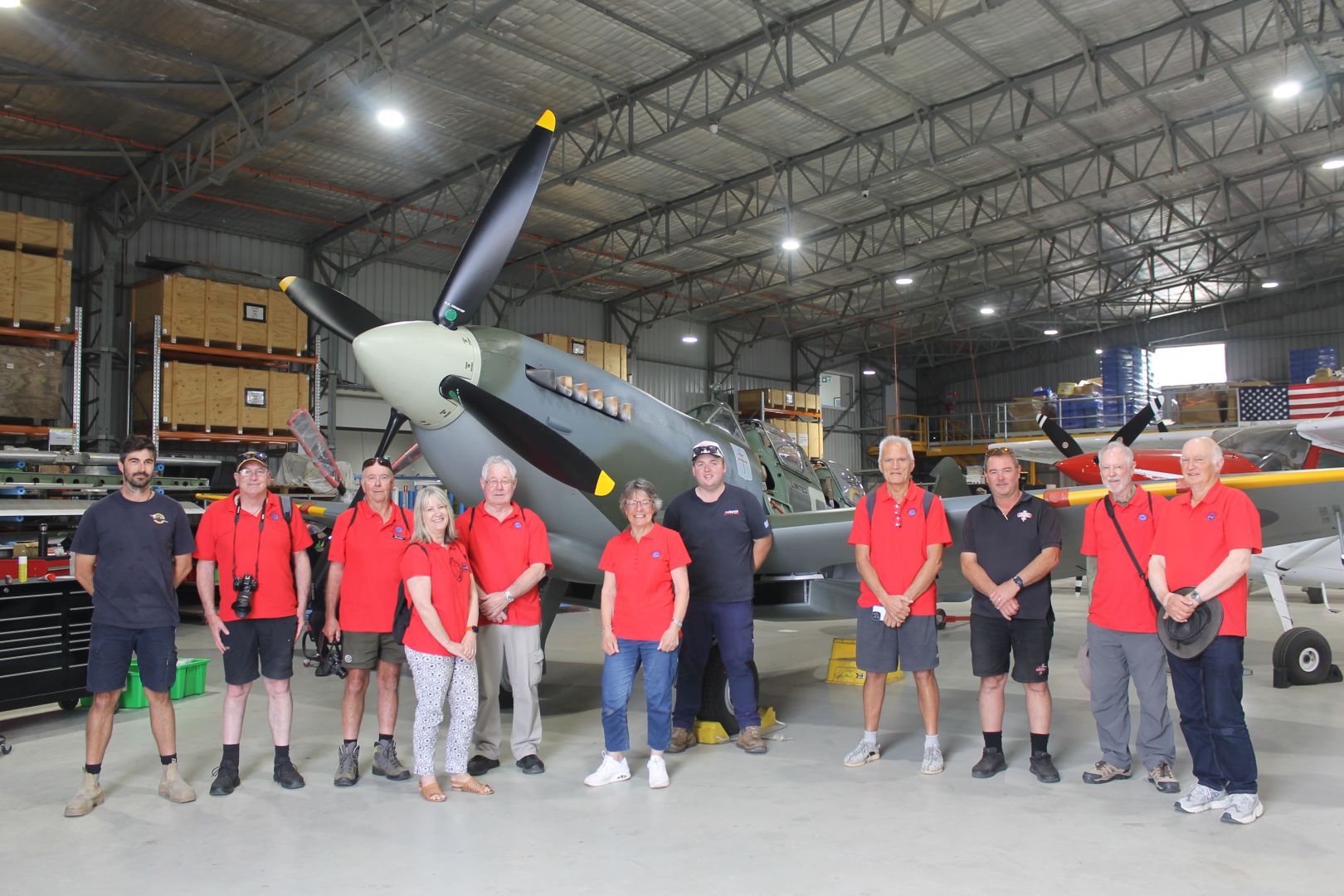
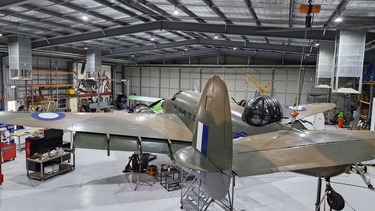
We flew from Rolleston to Scone in the Hunter Valley, home of the Warbirds over Scone biennial airshow and were met by Paul Bennet who showed us round Hunter Warbirds, along with Chad and Ben. It’s an impressive collection in this relatively new hangar opened in 2022, a collaboration between Paul Bennet Airshows and Pays Aviation We were invited into the maintenance hangar for a look at Australia’s first 2 seater Spitfire, a Mk.IX, that has recently been added to the list of joy flights available here in Scone. Options include the Stearman, Winjeel, Harvard, & Spitfire. Look out for the Hunter Valley Airshow in Cessnock in April 27 and Warbirds over Scone in 2028.
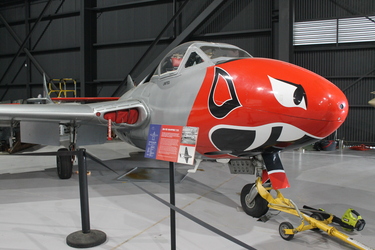
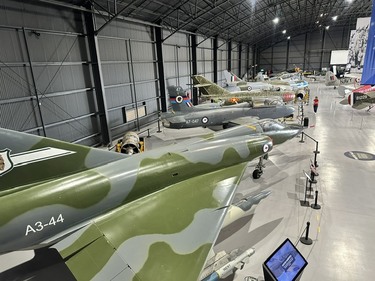
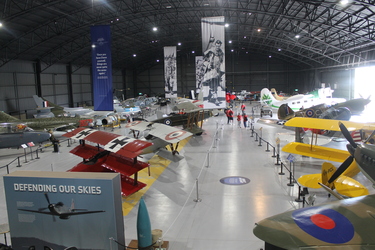
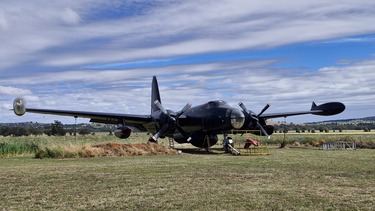
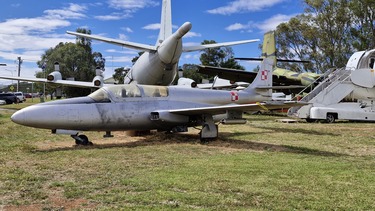
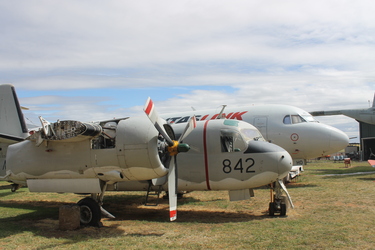
Parkes was our next stop heading South, landing next to the HARS Aviation Museum. We were welcomed in and learned about their collection and history. The first aircraft to land here was a Sopwith Camel piloted by aviation pioneer Sydney Pickles in 1919 and the hangar dates back to WW2 when it was RAAF Parkes. It has been a storage facility for HARS at Albion Park since 1975 but in recent years the dedicated locals and volunteers have opened it up to the public with plans afoot for development into the adjacent site. Aircraft here include an ex RAAF Orion that did many hours in the search for missing MH370 and a rare Neptune under restoration. Well worth getting off the beaten track for and our home-baked morning tea was delicious.
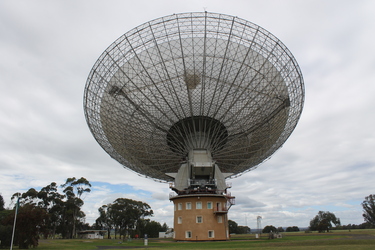
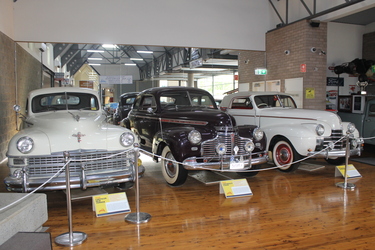
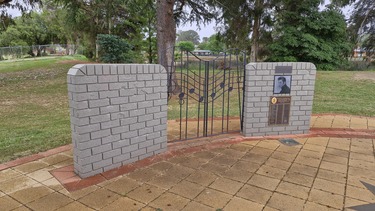
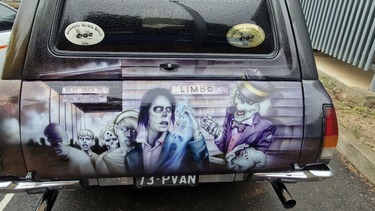
After our visit to HARS we were taken out to the Parkes Observatory Centre for lunch in the shadow of what is affectionately known as The Dish. Murriyang, the 64ft telescope dish, sits atop a three storey base and is one of 50 sites around Australia, France and the USA that are part of the Commonwealth Scientific and Industrial Research Organisation (CSIRO). Parkes played a large part in coverage of the Apollo 11 moon landings, working with NASA when the moon was on the Australian side of the Earth. We had some time after lunch to wander round the visitor centre and watch a 3D film show before checking in to our accommodation next to the Parkes Info Centre. This quirky town has a large annual Elvis festival and there is a combined museum of Elvis memorabilia and classic cars along with a local history museum at the info centre. Plenty of options for a late afternoon wander and some interesting paintwork caught our eye as the Sundowners Car Club checked into our motel as well.
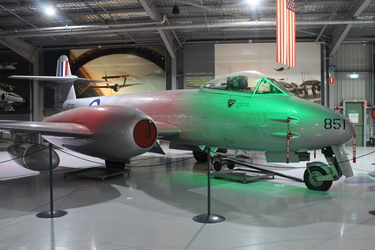
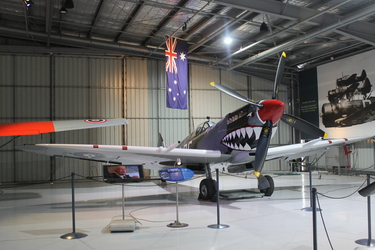
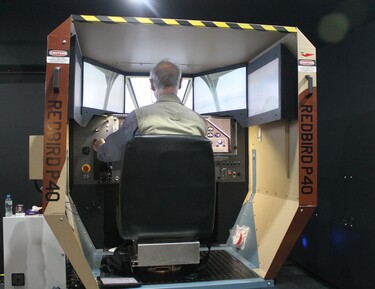
Our final day of the Wings over the Outback tour 2026 was spent at Temora. Landing on the airstrip that so many warbirds use is quite special and taxiing right up to the doors of the museum is something we have become accustomed to on this trip. We learned the history of the airfield with No 10 Elementary Flying Training School playing a large part, and how David Lowy’s passion for aviation history was behind the establishment of the museum. After lunch we flew the sims - Spitfire, Kittyhawk and Mustang and now with 8 backseat drivers we boarded our Pilatus PC12 for the last time for our final flight to Essendon.
We said a fond farewell to our pilot Kane, an absolute star, and enjoyed a final dinner together.
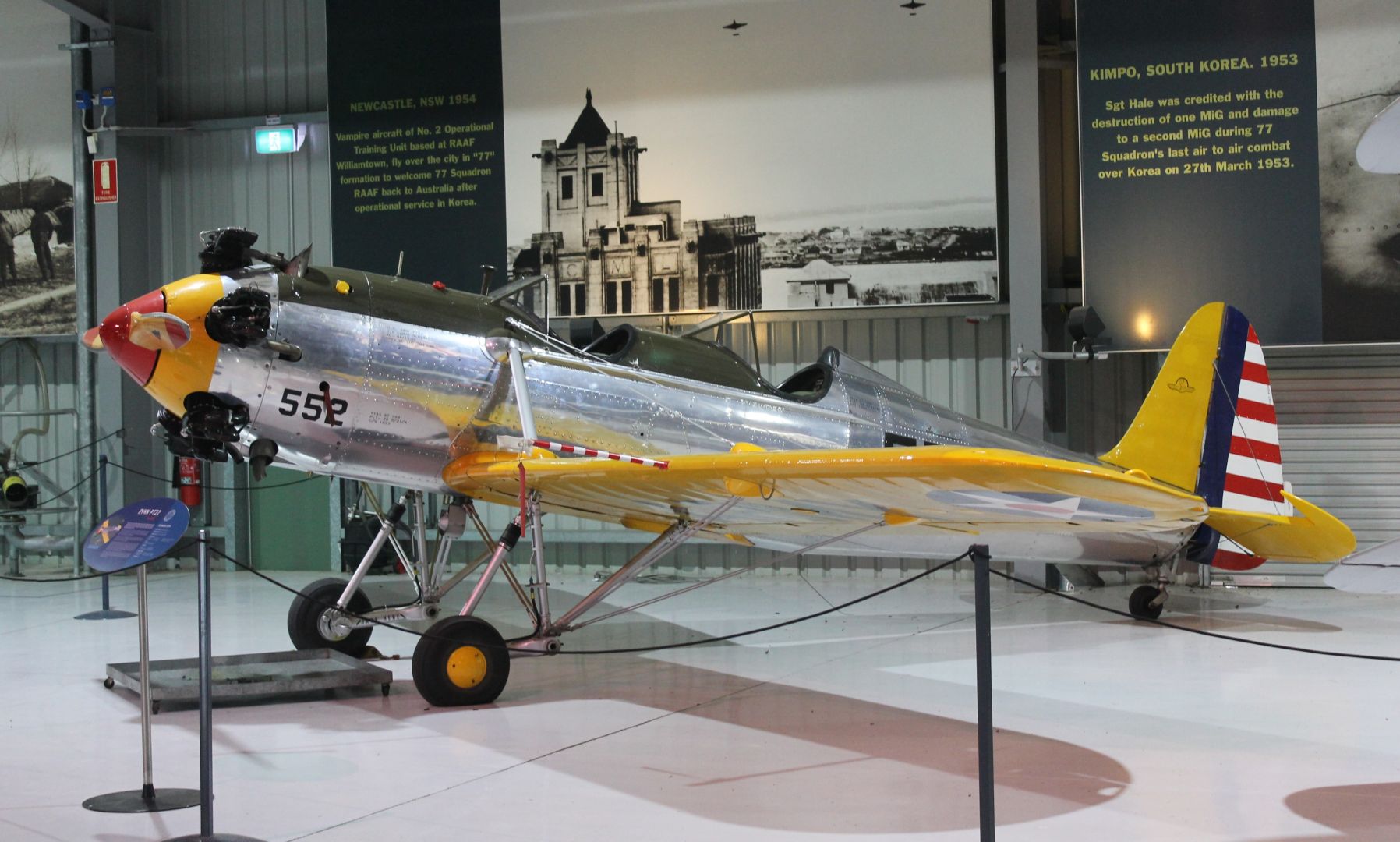
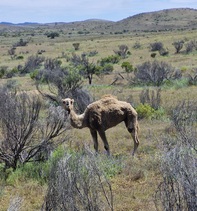
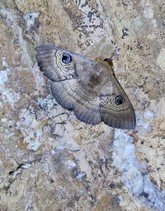
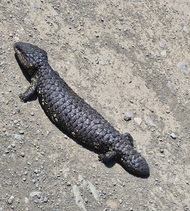
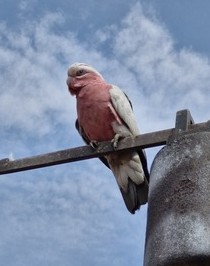
We saw some unusual creatures along the way, emus, camels, moon moths, stump-tailed skinks, galahs and more.
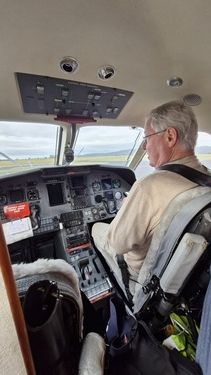
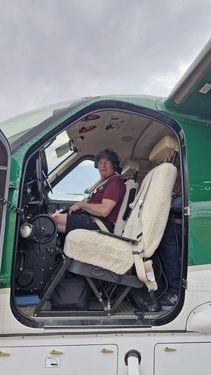
Every guest had a fight in the co-pilot seat on at least one flight in the PC12, and the sim flights were a challenge for the non-pilots amonst us.
Distance covered - approx 4500kms, total flight time of about 10.5 hours which would have beem 62 hours drive time.
We had a lot of laughs with friends and the the warmth we felt on this trip, not only the heat of the outback but from the genuine people we met along the way, will be remembered for a long time.